The York Daughters were the remarkable yet often overlooked princesses of Edward IV and Elizabeth Woodville—women who carried the blood of the House of York into the Tudor age. While history remembers their brothers, the lost Princes in the Tower, the York Daughters—Elizabeth, Mary, Cecily, Anne, Catherine, Bridget, and Margaret—played a quieter but lasting role in shaping England’s royal destiny.
Through marriages, alliances, and even vows of religious devotion, they helped bridge the fall of the Yorkist dynasty and the rise of the Tudors. From Elizabeth of York, who became queen and mother of the Tudor line, to Bridget of York, who lived a cloistered life of piety, their stories reveal how the legacy of York survived not through its fallen princes, but through its daughters.
Transcript of Queens, Nuns, and Heiresses: The Sisters of the Princes in the Tower
When people think of the children of Edward IV and Elizabeth Woodville, they almost always picture the lost princes Edward V and Richard, Duke of York, the boys who vanished into the Tower and became one of the great mysteries of English history. Their story has been retold, endlessly painted in tragedies, whispered in conspiracy theories, and debated in history books, Facebook groups, YouTube comments, and Reddit threads for centuries. Well, I guess not the last part for centuries, but you get the point.
The truth is, though, that Edward and Elizabeth were not just the parents of two doomed sons and one daughter who became the queen of England. They were astonishingly prolific, and their household was filled with daughters. Girls who, unlike their brothers, lived long enough to leave their mark on the dynastic chessboard of the late 15th and early 16th centuries. These sisters carried the blood of the House of York into the Tudor world.
One would become queen, the mother of the Tudor dynasty itself. Others married into powerful families like the Howards and the Courtenays, planting Yorkist claims that would trouble Henry VIII decades later. One became a nun, another died before her story even really began. Together, they shaped the survival and the transformation of the Yorkist identity after Bosworth in ways that are often overlooked.
So last time we talked about the sisters of Edward IV. Today we are talking about the daughters, the princesses who lived in the shadow of their lost brothers but who carried the Yorkist blood forward into England’s future. And to understand their stories, we need to start with the extraordinary family of Edward IV and Elizabeth Woodville, the family that they built, and the moment that everything changed: the death of the king in 1483 and the frightened queen retreating with her daughters into sanctuary.
Edward IV and Elizabeth Woodville had one of the most prolific royal marriages of the late 15th century. Between 1466 and 1480, Elizabeth gave birth to ten children who survived infancy, along with several others who died young. In an age when child mortality was expected, the fact that so many of the Yorkist children grew past the dangerous early years was striking. Even more unusual was the number of daughters who lived into adolescence or adulthood.
While kings typically relied on a few daughters to cement alliances, Edward and Elizabeth found themselves with a bearable nursery of princesses. Elizabeth, Mary, Cecily, Anne, Catherine, Bridget, and Margaret of York represented an extraordinary dynastic resource. Each girl carried the prestige of the House of York and could have been used to tie England more closely to France, Spain, Scotland, or the powerful noble families within England.
At the height of Edward IV’s reign when he appeared very secure on his throne, these daughters would have been considered valuable pawns in the international marriage market. They were raised with this in mind, finely dressed, schooled in languages, music, and piety, all the things expected of royal daughters. Their futures were expected to reinforce the Yorkist dynasty.
That expectation collapsed in 1483. That was when Edward IV died suddenly in April. His heir was just twelve years old. Elizabeth Woodville, now widowed and vulnerable, gathered her daughters and her younger son Richard and fled into sanctuary at Westminster Abbey. The image of the queen and her children with a handful of servants huddled behind the thick abbey walls captures just how precarious the family’s position had become.
Inside the sanctuary, the girls’ lives were turned upside down. They had been raised in royal palaces surrounded by attendants and tutors, enjoying lavish entertainments, and suddenly they were confined in the dim, echoing spaces of the abbey. To be fair, they had a comfortable place to live. It was not as if they were in a dungeon, but it was certainly not the same as having the run of a castle, and they had to remain within the walls to stay under sanctuary. I actually did a video a couple of months ago about what sanctuary really meant, so I will put a link to that.
Anyway, they were living under the protection of the church but cut off from the outside world. The younger girls were still children, and their mother had to cope with their fear as rumors circulated about the fate of their brothers.
It was here that the once glittering Yorkist nursery became a household under siege. The Italian observer Dominic Mancini, writing in 1483, described Elizabeth Woodville’s plight vividly. He noted her sudden retreat into sanctuary with her daughters and youngest son, writing that she was terrified by Richard’s seizure of power and sought safety in the abbey, placing herself and her children under the protection of the church.
Now, his account described the atmosphere of fear and uncertainty, with the queen who was once surrounded by magnificence now reduced to anxiety and suspicion, cut off from her allies while Richard consolidated his rule. Mancini’s account is stark, but he gives us a sense of how contemporaries understood her fall.
The Yorkist princesses, once destined to be queens and duchesses, were now huddled in fear with their mother while their uncle Richard seized the throne as Richard III. This was the time when they became bargaining chips in a world where their very survival was no longer guaranteed.
Elizabeth of York: From Pawn to Queen
So let’s start with Elizabeth of York. She was born in 1466, the eldest child of Edward IV and Elizabeth Woodville. From the moment of her birth, she was valuable not because she might one day inherit the throne—of course, as a girl she was not expected to do that—but because her hand in marriage could be used to secure alliances. Edward IV treated her as a political asset, and he raised her for a future that would bind Yorkist power to one of Europe’s great houses.
In 1475, when she was just nine years old, she was formally betrothed to the French dauphin Charles as part of a peace treaty between Edward and Louis XI of France. This arrangement promised a glittering future: Elizabeth as Queen of France, her children ruling the most powerful kingdom in Europe. But the match was abandoned a few years later as shifting politics and French hesitation left the young princess once again unpromised.
Her prospects grew murkier after her father’s death in 1483. With Richard III seizing the throne and her brothers locked away in the Tower, Elizabeth suddenly found herself at the center of a dynastic rumor. There were whispers that Richard, recently widowed, might marry her himself. Such a union would have been shocking. He was both her uncle and the man many suspected of disposing of her brothers.
It shows just how essential Elizabeth’s body was to the political fate of England. By marrying her, Richard could have solidified his grip on the throne, uniting the Yorkist claim in himself. The marriage never happened. He actually had to come out publicly and deny rumors that he was even considering it. But the very possibility, the fact that we even talk about this, shows that her personal fate was seen as inseparable from the kingdom’s.
Instead, Elizabeth’s destiny was decided in 1485 at the Battle of Bosworth. Henry Tudor’s victory over Richard left him a king with a very shaky claim. His legitimacy came not from his Lancastrian blood, which was not much, but from his ability to marry Elizabeth of York. Now, he did not like to think of it that way and had himself crowned before he married her, but their union in January 1486 symbolically healed the Wars of the Roses, the red rose of Lancaster with the white rose of York joined in the Tudor rose. For Henry, Elizabeth was the keystone that transformed him from a usurper into a dynastic founder.
As queen, Elizabeth did not dominate her husband’s government, but she played a crucial role as the dynastic anchor of the new regime. Chroniclers described her as gentle, pious, and charitable. She was the model of a late medieval queen. She gave generously to religious houses, and she was remembered for interceding on behalf of petitioners. Several surviving accounts note her reputation for mercy. People would appeal to her when they felt that the king’s justice was too harsh. She seems to have acted as a softer counterbalance to Henry’s severity, a role many queens consort were expected to perform.
Elizabeth was also central to the ceremonial life at court. She presided over the entertainments, including the tournaments and pageants that reinforced Tudor legitimacy. Her presence in courtly spectacle reminded audiences that the Tudors were joined to the House of York. We know she enjoyed dancing, music, and storytelling, and she fostered these entertainments as part of her queenship. In that way, she helped create a courtly culture that her son Henry VIII would later expand to even grander proportions.
How she personally felt about all of this—doing it all for the Tudors—no one thought to record. One can imagine she had mixed feelings. But her greatest contribution to the dynasty was her children. Elizabeth bore Henry seven children, though only four survived to adulthood.
Arthur, the firstborn, was raised as the heir, but he died young in 1502. Henry, Duke of York, became Henry VIII. Margaret Tudor married James IV of Scotland, uniting the Tudor line with the Scottish royal family, a union that would eventually bring the Scottish Stuarts to the English throne. And then Mary Tudor married the French king, Louis XII, briefly becoming the Queen of France before returning to England and marrying Charles Brandon, the Duke of Suffolk. Through these marriages, Elizabeth’s children carried their Yorkist blood into nearly every corner of European royalty.
Elizabeth’s death in February 1503 was sudden and devastating. She had gone into confinement to deliver a daughter, Catherine, but both mother and child died. She was only 37. She actually died on her birthday. Accounts of Henry VII’s reaction reveal a rare glimpse of him as a grieving husband rather than just the calculating monarch. Chroniclers record that he shut himself away for days, refusing to eat or be comforted, and he wore mourning for months. For a king known for his control and reserve, his visible anguish shows just how central Elizabeth had been to his reign.
Elizabeth of York went from being a child bride promised to France, to a pawn in her uncle’s ambitions, to the dynastic keystone of the Tudor monarchy. Her queenship gave Henry VII the legitimacy he needed. Her children linked England to Scotland and to France. And if the princes in the Tower represent the lost future of the House of York, Elizabeth of York represents its survival.
Cecily of York: From Queenly Prospects to Scandalous Marriage
Next up, Cecily. Cecily of York was born in 1469. She was the second daughter of Edward and Elizabeth Woodville. As the younger sister to Elizabeth of York, she also carried strong dynastic value in this world where royal daughters were prized for the allegiances they could form. Early in her life, her prospects, just like Elizabeth’s, seemed glittering.
One of the first marriage negotiations attached to her name was a proposed match with James, Duke of Rothesay, the heir to James III of Scotland. If the union had gone forward, Cecily would have become the Queen of Scotland, binding the Houses of York and Stuart together. Something very similar later happened with her niece, her sister Elizabeth’s daughter Margaret, who married into Scotland.
The treaty negotiations that followed Edward’s victory at the Battle of Tewkesbury in 1471 included the idea of sealing a peace with Scotland through Cecily’s marriage. Now, it never came to pass. Like everything, there were shifting politics and Scottish hesitation, but the very fact that the proposal was even made shows again how central Cecily’s marriage was to Yorkist diplomacy. After her father’s death and the fall of her brothers, Cecily’s prospects narrowed.
By the early 1480s, while she was still a teenager, she was married to Ralph Scrope of Masham, a relatively minor northern nobleman. The Scropes were an old and loyal Yorkist family, but Ralph himself was far from the sort of prince or magnate one might have expected for a daughter of Edward IV. Some historians believe the match may have been made under Richard III’s short reign, binding Cecily to a loyal retainer of his.
When Henry VII came to the throne in 1485, this marriage was annulled. The official reasoning is murky, but it likely shows Henry’s effort to house-clean Yorkist connections. He had zero interest in seeing a daughter of Edward IV securely tied to an old Yorkist family. Instead, he directed Cecily into a new match with John Welles, Viscount Welles. Welles was not only a trusted supporter of Henry but also his step-uncle, the son of Margaret Beaufort’s second husband.
For Henry, the marriage tethered Cecily firmly to the Tudor circle, ensuring that she could be watched and her loyalties contained. Cecily and John Welles seemed to have had a respectable marriage, though their two daughters died young. Welles himself died in 1499, leaving Cecily a wealthy widow. It was after this that she made the decision that scandalized the court. Without the king’s permission, she married a Lincolnshire squire named Thomas Kyme.
For a princess of the blood to marry so far beneath her rank, and to do it secretly, was an unmistakable act of defiance. Henry VII was furious. He confiscated much of her property and banished her from court. The couple retreated to Kyme’s estates in Lincolnshire, where they lived quietly, far from the royal stage.
We do not know very much at all about Cecily’s later years. She occasionally appeared in records as a witness or a benefactor, but for the most part, she disappeared into the obscurity of provincial life. For a woman who had once been floated as the Queen of Scotland, her fate was extraordinary: a Yorkist princess reduced to the life of a country gentlewoman, remembered more for her scandalous marriage than for political triumphs, but she had a bloodline that ensured she could never entirely escape notice.
Anne of York: A Quiet but Significant Life
So now let us talk about Anne of York. Anne of York was born in 1475. She was the fifth daughter of Edward IV and Elizabeth Woodville. Unlike her elder sisters, Elizabeth and Cecily, who were caught up in international marriage plans and dynastic maneuverings, her story was quieter, though she did have some international opportunities as a child.
She was briefly betrothed to Philip of Austria, the son of Maximilian of Habsburg, the Emperor, and the stepson of Margaret of York, her powerful aunt in Burgundy. The negotiations were ambitious, tying the Yorks to the Habsburg dynasty, but they lapsed after her father’s death, Edward.
Under Richard III, new plans emerged in 1484. He formally promised that his nieces would be married to men of noble birth with respectable dowries. For Anne, Richard chose Thomas Howard, eldest son of the Earl of Surrey and heir to the Dukedom of Norfolk. The match was politically advantageous. The Howards had risen under Richard and, by binding them to Edward IV’s daughter, Richard showed them unusual favor.
A contract was agreed in 1485, but Bosworth intervened before it could be carried out. The plan was not abandoned, though. After Henry’s victory, Elizabeth of York, now Queen, revived the marriage for her younger sister. By then, Anne and Thomas had known each other for years. The Howard men had long served at Edward’s court, but first the Howards had to prove their loyalty and dispel suspicion.
The wedding between Anne and Thomas did not actually take place until 1495. The royal family attended, but Anne’s promised dowry of 10,000 marks, set aside by Edward IV, was never delivered. Instead, Elizabeth of York arranged for her sister to receive an annuity of 120 pounds a year, plus an additional 26 pounds from the Crown. These payments were designed to ensure her independence and maintain her household, which included servants and horses, since the Howard estates were diminished after Bosworth and Thomas’s father had yet to recover the Dukedom of Norfolk.
The marriage was not a happy one. Thomas was unfaithful, openly conducting affairs with Anne’s lady-in-waiting, for example Bess Holland. Worse still, all of Anne’s children died young. Records suggest as many as four children, including a son named Thomas, who lived long enough to be christened but died in 1508.
Anne’s health was poor, and she faded from court life after the death of her sister Elizabeth. She died in November 1511 at only 36 years old. She was first buried at Thetford Priory and later reinterred at Framlingham alongside her husband, who by then had become the powerful 3rd Duke of Norfolk.
Catherine of York: Modest Marriage with Explosive Legacy
Now, Catherine. She was born in 1479, one of the younger daughters of Edward IV and Elizabeth Woodville. By the time she reached marriageable age, her family’s fortunes had been reshaped by the Tudors. Unlike her elder sisters, who had once been treated as glittering dynastic prizes, Catherine’s marriage was more modest, though it would have long-reaching consequences for Tudor politics.
In 1495, she married William Courtenay, heir to the Earldom of Devon. The Courtenays were a powerful family with deep roots in the West Country and a descent that tied them distantly to the royal house of Lancaster. The match was respectable, but certainly not on the scale of a foreign prince that Edward IV might have envisioned for his daughters. Still, it placed Catherine securely among the English nobility and linked her Yorkist bloodline to one of the kingdom’s most influential regional households.
Her husband’s career, however, was turbulent—an understatement. Courtenay was implicated in the Perkin Warbeck conspiracy in the 1490s, which sought to place a Yorkist pretender on the throne in the name of Edward V’s lost son. Though his role was murky, suspicion lingered. Later, in 1504, he was imprisoned in the Tower on charges of treason, accused of plotting against Henry VII. Catherine, though untouched by the charges, saw her husband disgraced and their estates seized.
After Henry VII’s death in 1509, the young Henry VIII released Courtenay, restored him to favor, and elevated him as the Earl of Devon. It was a dramatic reversal that once again made Catherine’s household one of the great magnate families of the realm.
William died just a few years later in 1511, but their children carried forward the Yorkist connection. Their eldest son, Henry Courtenay, became Marquess of Exeter and one of the closest companions of Henry VIII in his early reign. He was even named a Knight of the Garter in 1511, a major mark of royal favor. But this intimacy did not protect him in the long run.
By the 1530s, with Henry VIII increasingly suspicious of Yorkist bloodlines, Henry Courtenay was accused of treason and executed in 1539 during what is known as the Exeter Conspiracy. Through him, Catherine’s bloodline once again became entangled with the specter of Yorkist legitimacy, a reminder that even decades after Bosworth, the descendants of Edward IV could still be perceived as threats.
Catherine herself lived until 1527, outliving her husband by more than 15 years. She saw her children grow into the Tudor world, though not without danger. Her marriage had begun as a relatively quiet match into a noble family, but its legacy proved politically explosive. Through Catherine, the Courtenays carried Yorkist blood straight into the dangerous heart of Tudor politics.
Bridget of York: A Life of Piety and Seclusion
Then we have Bridget, the youngest daughter. She was born in November 1480 at Eltham Palace. Unlike her elder sisters, whose lives were tied up in dynastic marriage negotiations, her future was set apart almost from the beginning. She was just two when her father died and her family’s fortunes collapsed.
Growing up in the shadow of sanctuary and political upheaval, she was the only one of the York princesses destined not for marriage, but for religion. By the age of 10, Bridget was placed at Dartford Priory in Kent, the only house of Dominican nuns in England. It was an elite convent, wealthy and respected, where noble daughters were often sent, sometimes out of piety but often for politics too. Bridget took vows there and lived the rest of her life within the priory’s walls. Unlike her sisters Elizabeth, Cecily, Anne, and Catherine, she was removed from the intrigues of court and dynastic marriages, but her placement was still significant. Sending a royal daughter into the cloister not only advertised the family’s piety, it also quietly solved the problem of an extra princess whose marriage might create political complications. In Bridget’s case, her York blood was safely enclosed away from any foreign match that might threaten Tudor stability.
We know little of Bridget’s day-to-day life. Records suggest that she was a valued member of the community, respected for her birth and her connections, but she did not play a wider political role. She never became abbess or anything like that. She remained there until her death in 1517 at the age of 37. She was buried in the priory grounds, though with the dissolution of Dartford under Henry VIII, her remains were likely lost.
Bridget of York’s story is quieter than those of her sisters. It shows an important reality: not every royal daughter became a queen or a duchess. Some were steered into religious life, where they could embody piety and devotion while posing no threat to the throne.
Mary of York: A Brief and Tragic Life
Then we have Mary of York. She was the second daughter of Edward and Elizabeth. She was born in 1467 and, like her elder sister Elizabeth, grew up in the secure early years of her father’s reign, when the Yorkist dynasty seemed unshakeable. She was well provided for, and as a princess, her future would almost certainly have involved a politically valuable marriage, but she did not live long enough to play any role in dynastic politics.
In May 1482, when she was just 14, she died suddenly at Greenwich Palace. The cause was not recorded, though illness was the most common fate for children and teenagers, even in royal households. Her death was a blow to her family. She was the first of Edward IV and Elizabeth Woodville’s children to die after infancy.
She was buried at St. George’s Chapel, Windsor, one of the first of her siblings interred there. Her tomb was marked with a small brass plate and lay close to the resting place of her father, Edward IV. Though her life was brief and left little trace in the records, she mattered to her family. She was a princess of York, and her death showed that even in royal households, survival into adulthood was never guaranteed.
The daughters of Edward and Elizabeth lived very different lives, but together they carried Yorkist blood far beyond the disappearance of their brothers in the Tower. Elizabeth of York secured the Tudor dynasty itself. Her marriage to Henry VII joined the Houses of York and Lancaster, and her children became the kings and queens of England and Scotland.
Cecily, once nearly a queen of Scotland herself, slipped into obscurity in rural Lincolnshire, but her story shows how tightly the Tudors controlled Yorkist marriages to prevent rival claims. Anne’s marriage to Thomas Howard linked Edward IV’s line with the Howards, a dynasty that would dominate Tudor politics for the next century.
Catherine, through her marriage to William Courtenay, became ancestress of the Courtenays of Exeter, a line that would rise up under Henry VIII before being cut down under suspicion of Yorkist loyalties. Bridget, set apart at the cloister at Dartford, embodied a different sort of dynastic solution: piety and removal from politics. Mary, who died at 14, reminds us just how dangerous even royal childhoods could be.
What unites them all is survival. Their brothers’ lives ended in mystery, but the sisters lived on—sometimes at court, sometimes in obscurity, sometimes behind convent walls. Each was shaped by the tenuous legacy of their father’s throne. Some, like Elizabeth and Catherine, left Yorkist descendants. Others left no children, but their marriages and alliances still mattered in the careful balancing act of Henry VII’s reign. By the time of Henry VIII, the Yorkist daughters were no longer living figures, but memories woven into dynasties, into Howard ambition, into Tudor legitimacy. Through them, the Yorkist line did not completely vanish with the princes in the Tower. It lived on, reshaped and repurposed through the women whose stories are too often overshadowed by the mystery of their brothers.
The York sisters were the daughters of Richard, Duke of York, and Cecily Neville, and the sisters of Edward IV and Richard III. Born into one of the most powerful dynasties of the Wars of the Roses, the York sisters carried royal blood and dynastic ambition that would shape England long after their brothers were gone.
Through marriages to dukes, princes, and foreign rulers, they spread Yorkist influence across England and Europe. But under the new Tudor regime, their children became dangerous heirs, rebels, and exiles, forcing the crown to watch every move they made. The story of the York sisters is not one of quiet survival in the shadow of kings—it is the story of how their bloodline haunted the Tudors for generations.
Transcript of The York Sisters
It’s late summer 1487 in a chamber at Wingfield Manor, Elizabeth, Duchess of Suffolk, sits by a leaded window. The air is heavy with the scent of beeswax and damp stone. News has just arrived from Nottinghamshire. The rebels who had rallied around the boy pretender, Lambert Simnel, have been routed at the Battle of Stoke Field.
Her eldest son, John de la Pole, Earl of Lincoln, is dead on the field. He had been the Yorks’ hope, the standard-bearer for their cause after the disappearance of the princes, and now his body lies somewhere along the mud and blood, stripped by soldiers loyal to Henry VII.
Elizabeth knows what this means. The new Tudor king has been on the throne for less than two years, but already he is tightening the net around her family. She has other sons, Edmund, Richard, and William, and now each one will live under suspicion, their lives balanced on the knife-edge between clemency and execution.
It is not a new sensation for her. She has been a royal daughter, sister to two kings, and wife to a duke. But in the game of thrones that has consumed England for decades, titles have never been shields. The Yorkist age is ending, and for the women who bear its blood, the danger will not end with this battle.
Today we are going to talk about the sisters of Edward IV and Richard III and what happened to their children, because that is quite a saga. We’ve talked about different parts of their story before in different episodes. I have done some episodes on the de la Poles. We talk a lot about Margaret Pole, who is very famous. She is not directly descended from one of the sisters, but from the Duke of Clarence. We have also looked at the Courtenay family. We have talked about some of these people, but we have never just had it come down directly from the sisters and talked about those sisters, what their lives were like after Bosworth under the Tudors. So, my friend, that is what we are going to talk about today.
The sisters of Edward IV and Richard III were born into one of the most ambitious and self-assured families in England. Their father, Richard, Duke of York, was not just a nobleman with a claim to the throne. He was a man convinced of his right to it. Their mother, Cecily Neville, came from the powerful Neville family, which had ties in nearly every noble house of the realm. We have talked about the Nevilles as well.
So Cecily was known as the Rose of Raby for her beauty in youth, but she was also proud and politically shrewd, instilling in her daughters the expectation that they would marry as queens or near queens.
The sisters’ early years were spent at the family’s stronghold of Fotheringhay Castle, a sprawling riverside fortress in Northamptonshire. Here they had the typical education of highborn girls: lots of reading, music, and embroidery. They learned management of large households. They also probably absorbed, maybe even unconsciously at first, the rhythms of political maneuvering. Their uncles and cousins and brothers were deeply enmeshed in the politics of the 1450s as the Wars of the Roses slid into open conflict.
By the time Edward IV seized the throne in 1461, the sisters were already pawns in an international marriage market. Their unions would be used to cement alliances, neutralize rivals, and expand Yorkist influence abroad. But the same marriages that seemed advantageous in the 1460s would, within a generation, draw their children into rebellions and plots against the Tudors. The sisters were not just footnotes to their brothers’ reigns. They were conduits through which Yorkist blood and Yorkist claims flowed into the next century.
Anne of York: A Life of Political Turmoil
Let’s start with Anne of York. She was the eldest surviving daughter of Richard, Duke of York, and Cecily Neville. Born in 1439, she grew up with all the same privileges of a great magnate’s daughter and the heavy expectation that her marriage would serve the political fortunes of the family.
In 1447, when she was about eight years old, she was betrothed to Henry Holland, 3rd Duke of Exeter. This match looked powerful on paper. Exeter was of royal blood, a great-grandson of John of Gaunt, and one of the richest nobles in England. But politics soon turned the alliance sour. Exeter was a staunch Lancastrian, fiercely loyal to Henry VI, and when civil war broke out, he and Richard of York were enemies.
This left Anne in a very awkward position. The Duke of Exeter fought against her father at the Battle of St. Albans in 1455, and again at Towton in 1461, where Edward IV’s victory forced Exeter into exile. Anne remained in England, effectively separated from her husband. She never reconciled with him, and after years of estrangement, she actually obtained an annulment in 1472.
Her second marriage was a love match by the standards of her rank. In 1474 she married Sir Thomas St. Leger, a loyal supporter of Edward IV. This union produced her only child, Anne St. Leger, who was born in 1476. Tragically, Anne of York died shortly after childbirth. She was just 37 years old and was buried at St. George’s Chapel in Windsor.
Now, Anne St. Leger’s position was extraordinary. Through her mother, she was an heir to the great Neville estates of the Earldom of Salisbury. Edward IV, fond of his sister and brother-in-law, had made generous provisions for her, ensuring that she would inherit a vast fortune.
But wealth of that scale was dangerous for a Yorkist heiress under Tudor rule. After Henry VII’s succession, the crown moved to limit Anne St. Leger’s inheritance. She was married to George Manners, later Baron de Ros, aligning her with a family less threatening to the Tudor regime. The redistribution of her estates into crown hands was part of Henry’s broader policy to keep Yorkist bloodlines under watch and their fortunes under control.
Anne of York’s life was a topsy-turvy wheel of fortune. A girl married to a powerful duke could, within a decade, become the wife of a traitor, a political liability, and, in death, the source of a dangerous heiress whose wealth had to be curtailed for the sake of the crown’s security.
Elizabeth of York: Duchess of Suffolk
Next, Elizabeth of York, Duchess of Suffolk. This is Elizabeth of York, Duchess of Suffolk, not the queen. She belonged to the generation before, one of the sisters of Edward IV, not a daughter. Born in 1444, she was the second daughter of Richard and Cecily. Her marriage in 1458 to John de la Pole, Duke of Suffolk, was arranged while the Yorkists were still on the rise but not yet crowned.
Suffolk’s father had been executed in 1450 after the disastrous loss of Normandy. His family still held wealth and influence, and the match was meant to knit Yorkist and Lancastrian sympathies together. When Edward IV seized the throne in 1461, Elizabeth’s position solidified. She and her husband kept close to the royal court, benefiting from her brother’s favor.
The de la Pole family became one of the leading noble houses of the realm, and Elizabeth gave birth to at least 11 children, an unusually large brood, even by the standards of the time. Her eldest surviving son, John de la Pole, Earl of Lincoln, was named by Richard III as his heir presumptive after the death of young Edward of Middleham.
This positioned Elizabeth’s family at the very heart of the Yorkist succession. But Bosworth in 1485 changed everything. Henry VII claimed the throne, and while Lincoln outwardly reconciled, he was soon involved in the Lambert Simnel rising of 1487. He fell at the Battle of Stoke Field, the last pitched battle of the Wars of the Roses, leaving Elizabeth with the grief of losing her son and the knowledge that her family was now firmly in the Tudor crosshairs.
The other de la Pole brothers were no less problematic for the new regime. Edmund de la Pole inherited the Suffolk title and for years vacillated between apparent loyalty and open defiance. By 1501 he was in exile and eventually handed over to Henry VII under the promise of mercy, a promise that Henry VIII ignored when he executed Edmund in 1513. Richard de la Pole, styled by continental allies as the White Rose, spent most of his life abroad as a rallying point for anti-Tudor plots, dying at the Battle of Pavia in 1525 while fighting for France.
Elizabeth herself managed to survive all of this turmoil. She died in 1503 at the age of 59. She had seen her sons lead rebellions, die in battle, or live in perpetual exile, all because the blood in their veins made them a threat to the Tudor crown. Her life shows the harsh truth that for Yorkist women, survival often meant keeping one’s head down, but their children’s ambitions could undo even the most careful discretion.
Margaret of York: Duchess of Burgundy
Next up, Margaret of York, Duchess of Burgundy. Margaret of York, born in 1446, was the third surviving daughter of Richard and Cecily and the one whose life took her the farthest from England. In 1468, at the age of 22, she married Charles the Bold, Duke of Burgundy, in one of the most glittering dynastic unions of the century.
The marriage was a triumph for Edward IV’s diplomacy, sealing an alliance with one of the wealthiest and most sophisticated courts in Europe. The celebrations in Bruges were legendary, pageants, jousts, feasts, and a wedding dress of cloth of gold so heavy that Margaret had to be supported as she walked.
Margaret’s marriage was childless, but she embraced her role as Duchess of Burgundy with vigor. She became a patron of the arts, of printing, and of religious institutions, and she involved herself in Burgundian politics.
When Charles was killed in 1477, she became stepmother and advisor to his heiress Mary of Burgundy and helped arrange Mary’s marriage to Maximilian of Austria, a union that would eventually bring the rich Burgundian territories under Habsburg control, igniting decades of rivalry between France and the Habsburg dynasty.
It was after 1485, with the fall of Richard III and the rise of Henry VII, that Margaret became such a thorn in the Tudor king’s side. From her base in Mechelen, she acted as the unofficial headquarters for Yorkist exiles. She provided refuge, money, and legitimacy to claimants who challenged Henry’s rule.
She openly backed Lambert Simnel in 1487, even sending troops to Ireland to support his cause. Later, she championed Perkin Warbeck, insisting that he was her nephew Richard, Duke of York, one of the princes in the Tower, and introducing him to European courts as the rightful king of England.
Margaret’s support was not just symbolic. She helped arrange military aid for Warbeck’s attempted invasions and forced Henry VII to expend considerable money and resources quashing the threat. Her refusal to acknowledge Tudor legitimacy made her persona non grata in England, and Henry forbade any of her English relatives from corresponding with her.
Despite her political defiance, Margaret remained a respected figure in Burgundy. She died in 1503 at the age of 57, still unrepentant in her Yorkist loyalties. From across the Channel, she had kept the embers of the Yorkist cause alive for nearly two decades after Bosworth, a living reminder that the threat to the Tudors was not confined just to English soil.
So the sisters of Edward IV and Richard III did not live to see the complete extinction of the Yorkist cause, but their children and grandchildren were at the center of the last serious threats to Tudor rule.
Anne of York’s only child, Anne St. Ledger, as we said, saw her vast Neville inheritance curtailed under Henry VII. Married to George Manners, later Baron de Ros, she bore several children, including Thomas Manners, who became the first Earl of Rutland under Henry VIII and was actually a great favorite of the king. This branch avoided rebellion, but their claim through the female line still made them figures of interest in the Tudor court. The Rutland line would persist as a prominent noble house well into the Elizabethan era, its Yorkist blood now safely loyal to the crown.
Elizabeth of York, Duchess of Suffolk, left the most dangerous legacy. Her son John de la Pole, Earl of Lincoln, fell at Stoke in 1487. Edmund de la Pole, third Duke of Suffolk, spent years in exile before his execution by Henry VIII in 1513, and Richard de la Pole was killed at the Battle of Pavia while fighting for France. The younger de la Poles, such as William, lived quietly or were kept under close watch. The line’s potential to spark rebellion lingered in Tudor paranoia long after their military threat was gone.
Margaret of York had no children of her own, but her stepdaughter Mary of Burgundy’s marriage to Maximilian of Austria created a political earthquake. This union brought the wealthy Burgundian territories into the Habsburg sphere, setting off the long-running rivalry between France and the Habsburgs. That rivalry would define European politics for much of the 16th century and inevitably draw England into the shifting alliances and hostilities, particularly during the reign of Henry VIII, when English diplomacy was often balanced between these two great powers.
By the mid-Tudor period, the direct female-line descendants of Edward IV’s sisters were largely integrated into Tudor nobility. Many married into loyal families and were absorbed into the period in ways that neutralized their claims. The fea r of Yorkist resurgence through the female line was never entirely gone. Henry VII’s careful management of marriages and inheritances, and Henry VIII’s readiness to execute even distant kin, ensured that no descendant could combine both the blood and the means to challenge Tudor supremacy. Even decades after Bosworth, the Tudors still looked warily at families descended from three Yorkist princesses, knowing that the past was never entirely dead.
It is now 1503, and in quick succession two of the York sisters are gone. In Burgundy, Margaret of York’s funeral is a lavish formal affair. She is laid to rest in the Church of the Cordeliers in Mechelen, far from the English castles of her childhood. Across the Channel in England, Elizabeth, Duchess of Suffolk, also dies that same year, quietly in her late fifties. Her passing draws little fanfare. The Tudor court offers no public mourning for the sisters of the York kings, the aunts of the late princes in the Tower.
By then, Anne of York had been in her grave for nearly three decades, and her daughter’s inheritance clipped to suit the needs of the new regime. The sisters’ brothers, Edward IV and Richard III, were long dead, their reigns collapsed into cautionary tales in Tudor chronicles. Yet in noble houses across England, children still carried the blood of York. Some were content to serve the Tudors, others dreamed, perhaps, of what might have been. And for the Tudors, that was the problem.
Bloodlines linger, and ambition can skip a generation. It would take another twenty years before the last serious claimant, Richard de la Pole, fell on a foreign battlefield. Only then could the Tudors stop looking over their shoulders. Yet Henry VIII would continue to be nervous and paranoid about his York cousins, as we see with Margaret Pole and the other relatives of the male line from the Duke of Clarence.
The sisters themselves were gone, but the dynasty they had helped to build and defend still haunted England’s throne long after their deaths. So we will leave it there, in that exploration of the sisters of the Yorkist kings, the Yorkist princesses.
The Nevilles were one of the most powerful and influential families in fifteenth-century England, shaping the course of the Wars of the Roses and leaving a legacy that haunted the Tudors for generations. Rising from northern landowners to royal kingmakers, the Nevilles married into the crown, financed rebellions, and helped decide who wore the English crown. From Richard Neville, the infamous “Kingmaker,” to Cecily Neville, matriarch of Yorkist royalty, the family’s story is one of ambition, betrayal, and dramatic downfall.
Let’s uncover how the Nevilles rose to dominate English politics—and how the Tudors worked methodically to erase them from history.
Transcript of The Nevilles: The Family That Made (and Lost) Kings
If you had to pick one noble family that defined the chaos of fifteenth-century England, it might just be the Nevilles. For a while, they were practically a royal family in their own right — marrying into the crown, bankrolling rebellions, and deciding which king got to wear the crown that week.
Richard Neville, the so-called Kingmaker, had so much power that he made Edward IV and then tried to unmake him again. His daughters married royal princes. His cousins’ descendants would launch one of the deadliest uprisings Elizabeth I ever faced. And yet, a hundred years after the Wars of the Roses, the mighty Neville name was basically extinct in English politics. Land gone. Titles forfeit. The last scions scattered in exile. So what happened?
In this episode, we are going to dive into the dramatic rise and collapse of the Neville family, from their origins as northern lords to the powerful women who married into the royal bloodline, and the final desperate gamble of a doomed rebellion. This is the story of how a single family helped to shape England’s dynastic wars and how the Tudors made very sure that they would never do it again.
The Nevilles did not start out as kingmakers. They were northern gentry, respectable, wealthy, but not royal-adjacent. That all changed in the late fourteenth century when Ralph Neville, 1st Earl of Westmorland made a marriage that would rewrite the family’s future. He married Joan Beaufort, daughter of John of Gaunt, who was the third surviving son of Edward III. That made Joan a royal cousin, and their children suddenly had Plantagenet blood.
Joan was Ralph’s second wife, and her children, known as the Beaufort Nevilles got most of the good stuff: titles, land, and royal connections. And that is where things start to get complicated. Ralph had kids from his first marriage too, and when he passed over those older sons in favor of his Beaufort children, it kicked off a long-running rivalry between the two Neville branches.
That division between the senior Westmorland line and the junior Warwick line would haunt the family for the next hundred years. While the Westmorlands stayed up north, the Warwick line moved in fast on national politics. The Crown needed strong men to keep order in the wilds of northern England, and the Nevilles fit the bill.
They became sheriffs, wardens of the marches, justices, anything that gave them power over land, people, and local authority. The more the Lancastrian monarchy struggled, the more powerful these noble families became, filling in the power vacuum.
Richard Neville: The Kingmaker
By the time Richard Neville, the future Kingmaker, inherited the Earldom of Warwick through his wife, the Nevilles were one of the richest and most dangerous families in England. They were not just nobles anymore — they were a political force that kings had to take seriously at their peril.
Richard Neville was not born an earl. He married one in 1449. He wed Anne Beauchamp, the only surviving child of the Earl of Warwick. When her father died, the title passed to her and, by extension, to Richard. With the Beauchamp inheritance came not just a title, but vast lands, castles, and influence.
It turned Richard Neville into one of the most powerful nobles in England, and he did not plan to waste it. Warwick made his name during the early years of the Wars of the Roses, backing the Yorkist cause and helping to bring Edward IV to the throne. He bankrolled armies, negotiated alliances, and led military campaigns. For a while, he actually ran the country.
Foreign ambassadors reported that no one dared act without Warwick’s permission. But Edward had ideas of his own, and when he secretly married Elizabeth Woodville, a Lancastrian widow from a large but relatively low-ranking family, Warwick felt humiliated. He had been in the middle of arranging a royal marriage to a French princess, and now he looked like a fool.
It all went downhill from there. The Woodville family was elevated at court, crowding out Warwick’s allies. Edward increasingly resisted Warwick’s control. So Warwick did what he always did when things did not go his way, he changed sides in a move that still shocks even jaded historians.
Students of this period know that Warwick turned against Edward, reconciled with his former enemy Margaret, and married his daughter Anne Neville to Margaret’s son, Prince Edward. Yes, that Prince Edward, the heir to the Lancastrian throne. The whole plan came crashing down for Warwick at the Battle of Barnet in 1471.
Warwick was killed in the fighting. His body was stripped and displayed in London to prove that he was truly dead. His estates were divided, and his power base was shattered. The man who once made kings was now just another corpse on the battlefield.
His legacy was not finished, because both his daughters had married into the royal family, and the chaos that they inherited was just beginning. Richard Neville did not have sons, but he had two daughters, and in the brutal marriage-market politics of fifteenth-century England, that was still enough to make plenty of trouble.
Isabel and Anne Neville were not just assets, they were strategic weapons. And as it turned out, both ended up married to royal brothers in the House of York. Isabel, the elder, married George, Duke of Clarence, brother of Edward IV. This was a love match and a power grab. George was ambitious, and Warwick needed someone to help him undermine Edward. The two men cooked up a plan to make George king in Edward’s place. It did not work, but Isabel stayed married to Clarence as Warwick tried his next plan — using his younger daughter Anne to forge a new alliance.
Anne was married to Prince Edward of Lancaster, like we said, the only son of Henry VI and Margaret of Anjou. It was a deeply uncomfortable arrangement. Anne was a Yorkist by birth, and Margaret had spent years fighting her family. Fun, fun Thanksgiving dinners.
The wedding was meant to seal the deal between Warwick and the Lancastrians, but the alliance was a hot mess from the start, and Anne was probably around fourteen. Her new husband was said to be sickly, possibly unstable, and definitely not long for this world. Within months, Prince Edward was dead, killed after the Battle of Tewkesbury in 1471.
Now Anne was taken prisoner by Edward IV’s forces and eventually ended up in the custody of her sister and brother-in-law, that is, Isabel and George. It was not a happy household. George did not want Anne to remarry. Why? Because if she married again and produced children, it would complicate the inheritance of the Warwick lands, which he wanted all to himself.
Then came Richard, Duke of Gloucester, the future Richard III. He wanted Anne for his wife. He was also George’s younger brother, so George quite literally tried to hide Anne, allegedly disguising her as a servant in a London cookshop to keep Richard from finding her. It did not work. Richard tracked her down, and they were married sometime in 1472. By then, Isabelle and George’s marriage was fracturing.
Isabelle had suffered several pregnancies, and in December 1476, she died shortly after giving birth to a stillborn child. The official cause was consumption or childbed fever. George, however, accused one of her ladies-in-waiting, Ankarette Twynyho, of poisoning her. He had the poor woman dragged out of her home and hanged without trial.
Later accounts suggest that George may have poisoned Isabelle himself. Whatever the truth, George was spiraling. He was arrested in 1477, charged with treason, and executed in the Tower of London. Legend, of course, says that he was drowned in a butt of Malmsey wine, which may or may not be true, but it is the version everyone remembers.
Meanwhile, Anne Neville was becoming Queen of England, crowned alongside her husband, Richard III, in 1483. But she also would not live very long. Their only child, Edward of Middleham, died young, and Anne followed in 1485, just months before Richard lost the Battle of Bosworth. She was likely no more than 20.
The kingmaker’s grand dynastic plans ended with two dead daughters, no surviving grandchild, and a family fortune torn apart by royal politics and infighting. But we are not done with the Neville women just yet, because before Isabelle and Anne, there was Cecily.
Cecily Neville: The Matriarch
Before Anne and Isabelle married into royalty, there was one Neville woman who made royalty, and that was Cecily Neville, Duchess of York known later as the Rose of Raby after her birthplace in County Durham. Cecily was the youngest of Ralph Neville and Joan Beaufort’s 22 children. God bless her, 22 children.
Unlike her more tragic descendants, Cecily lived a long, dramatic life and died peacefully in her bed. She married Richard, Duke of York in 1429, and together they had a whopping 12 children, though only a handful survived childhood.
Among them were Edward IV, George, Duke of Clarence, and Richard III, which means that she was not just mother to kings, but also mother to traitors, exiles, and one man who may or may not have murdered his nephews in the Tower. He probably did. Family dinners must have been awkward.
Cecily played her role as duchess with absolute seriousness. She was pious, intelligent, and fiercely proud of her family’s royal bloodline. When her husband began pressing his claim to the throne in the 1450s, she supported him. When he was killed at Wakefield in 1460, she did not retreat. Instead, she remained a force at court, shepherding her sons through the chaos of the civil war and into power.
She was famously dismissive of Edward IV’s marriage to Elizabeth Woodville, sniffing that he had dishonored himself by marrying a widow. She may have even spread the rumor that Edward was illegitimate in order to boost Richard III’s claim, though we will never know that for sure.
By the time Henry VII took the throne in 1485, Cecily was still very much alive and watching closely. She lived until 1495, dying at the very respectable age of 80, having seen not only her sons crowned and killed, but also her granddaughter, Elizabeth of York, marry the new Tudor king. In that way, Cecily became the unlikely matriarch of a newly united dynasty, though whether she approved of the match is anyone’s guess.
Now, what happened to the Neville legacy under the Tudors? Well, by the time Henry claimed the crown at Bosworth, the main Neville power base had already been blown apart. Warwick the Kingmaker was dead. His daughters had either died young or been absorbed into rival houses, and Cecily’s line through her sons Edward and Richard had been nearly wiped out in the final stages of the Wars of the Roses.
But there was one Neville branch still standing: the Westmorlands. This was the senior line descended from the sons of Ralph Neville’s first marriage, the ones who got cut out of the really juicy inheritance in favor of the Beaufort kids.
They had kept their heads down during the Yorkist era, and as a result, they made it to the Tudor period with their lands intact and their titles still functional. Well, for a while anyway. The head of the family during Elizabeth I’s reign was Charles Neville, 6th Earl of Westmorland.
He did not appreciate the direction that the kingdom was heading. He was a Catholic, and he had strong ties to the old noble families in the North. Like many of his generation, he quietly believed that Mary, Queen of Scots had a stronger claim to the throne than Elizabeth did.
In 1569, Charles joined forces with Thomas Percy, 7th Earl of Northumberland, to launch what became known as the Rising of the North. It was a dramatic, half-baked rebellion aimed at deposing Elizabeth and restoring Catholic rule. Banners were raised with the five wounds of Christ. Priests were freed. Masses were held in cathedral towns. But they had no real backing, and once Elizabeth’s army started marching north, support melted away.
The whole thing collapsed within weeks. Percy was captured and eventually executed. Charles Neville fled across the Channel and ended up living a miserable exile in the Spanish Netherlands. He lost everything, his title, his estates, his income. He died in poverty in 1601, still technically the Earl of Westmorland but without a shred of land to his name.
The Tudors were nothing if not efficient. After the Rising of the North, they made sure that no Neville would ever again control that kind of power. Castles were garrisoned or dismantled. Family connections were picked apart, and the last fragments of the old Neville dynasty were quietly absorbed or erased.
Despite the Tudor effort to bury them, the Nevilles had left fingerprints all over the 15th century. Their rise had shaped the Wars of the Roses. Their fall had helped to define the Tudors.
Let’s talk very briefly. I said that Cecily gave birth to 12 children, but history usually just focuses on three: Edward, George, Duke of Clarence, and Richard III. That is fair. They became kings, traitors, or both.
Several of Cecily’s other children did survive and married and left descendants who would tangle with the Tudors. Honestly, Tangling with the Tudors should be a band name or a podcast name or something. If you want to start something and call it Tangling with the Tudors, please feel free to use that. You’re welcome.
Anyway, let’s take a quick look at what happened to the rest of her line and why Henry VIII had every reason to be paranoid. There were some forgotten sons. There was Edmund, Earl of Rutland, who was killed at age 17 alongside his father. His death was later dramatized in Shakespeare, but he, of course, left no heirs.
Then there were also Thomas, William, and John. All of them died young, either in infancy or childhood. There were some daughters who lived, including Anne of York. She married Thomas Howard, who later became the second Duke of Norfolk. This marriage connected the Neville-York line to the powerful Howard family.
Their grandson was Thomas Howard, 3rd Duke of Norfolk, who played a major role under Henry VIII and survived by sheer political slipperiness. And of course, he had a niece called Anne.
Also, there was Elizabeth of York, not to be confused with her niece, Henry VII’s queen, Elizabeth of York. This older Elizabeth married John de la Pole, 2nd Duke of Suffolk. Their son, John de la Pole, was named heir by Richard III and then rebelled against Henry VII. He died at the Battle of Stoke in 1487.
There was another son, Edmund de la Pole, who spent years in European exile claiming the throne. We have done episodes on the de la Pole family, which you can go back and listen to as well. Henry VIII had him extradited and imprisoned. It was actually one of the very first foreign diplomatic victories of Cardinal Wolsey to bring him back so that Henry VII could execute him in 1513.
There was also Margaret of York. She married Charles the Bold, Duke of Burgundy. She became a critic of the Tudors, a bankroll of Tudor pretenders, and spent decades sheltering Yorkist exiles. Henry VIII never forgave her. There were also Ursula, Cecily, and Agnes. All died young or entered religious life. Little trace remains of them.
So Cecily’s children and their descendants were everywhere, tied into the great families of England and continental Europe. While the Tudors tried to build a new dynasty, they were constantly looking over their shoulders at the lingering shadows of the Neville-York bloodline that Cecily had unleashed.
The Nevilles started out as northern landowners. They ended up making kings, marrying queens, and setting off rebellions that still gave the Tudors nightmares decades later. They were everywhere in the late 15th century – at court, on the battlefield, and behind the scenes, twisting family loyalty and ambition into something close to national catastrophe.
But for all their power, they couldn’t hold onto it. The Kingmaker’s gamble backfired. His daughters were pulled into the violent collapse of the Yorkist dynasty, and the senior line, the Westmorland Nevilles, finally threw their lot in with Mary Queen of Scots and lost everything.
The Tudors didn’t just beat the Nevilles; they dismantled them. Titles were revoked, estates seized, survivors fled or went quiet, and what remained of the Neville bloodline flowed into other families, some of them Tudor themselves. But the name was no longer dangerous. It was just history.
But if you peel back enough layers in 16th-century politics, you keep finding those Nevilles in castles and court intrigue, in rebellious sermons and whispered plots. They were kingmakers and king-breakers. And even when they were gone, the threat of them lingered enough to make Henry VIII reach for his axe, which, of course, he wasn’t particularly reluctant to do.
Today is the birthday of Elizabeth of York at the Palace of Westminster, in 1466. It is also, eerily, the day she died in 1503. The daughter of Edward IV, she gave the Tudors the legitimacy they lacked when she married Henry Tudor after he beat Richard III at Bosworth Field, a marriage that her mother had planned with Lady Margaret Beaufort, Henry’s mother.
Although Elizabeth seems to have played little part in politics, her marriage appears to have been a successful and happy one Her eldest son Arthur, Prince of Wales, died at age 15 in 1502, and three other children died young. Her second, and only surviving, son became King Henry VIII of England, while her daughters Mary and Margaret became queens of France and of Scotland, respectively; many modern royals, including Elizabeth II, trace their line through Margaret.
There is a touching story that after the death of Arthur, she consoled Henry saying they were still young enough to have more children, and that they would get through it together. Then she went back to her own rooms and grieved openly, leading to Henry coming to her to console her. They did get pregnant again, and it was after she gave birth to a daughter that she died, and the child died as well.
That’s your Tudor Minute for today. Remember you can dive deeper into life in 16th-century England through the Renaissance English History Podcast at englandcast.com where there is an episode on Elizabeth of York.
Today in 1486 Henry VII married Elizabeth of York. Henry was the newly crowned King of England after defeating Elizabeth’s uncle, Richard III, at Bosworth Field. Elizabeth was the daughter of Edward IV, and for many, she was seen as the legitimate heir to the throne. Bringing together both houses in marriage, it was hoped, would put a final end to the Wars of the Roses, and provide stability in England.
The marriage was the brainchild of Elizabeth of York and Lady Margaret Beaufort. Elizabeth of York was Edward IV’s widow, and after the disappearance of the Princes in the Tower, Elizabeth wanted revenge on Richard III for usurping the throne of her son – and likely killing him to boot. She worked with Lady Margaret vowing to support Lady Margaret’s son, the Lancastrian heir Henry Tudor, in exchange for him promising to marry her oldest daughter, Elizabeth. And so, when Henry was still in exile, he promised to marry Elizabeth once he became King.
This marriage was the start of the Tudor dynasty, and it was successful in uniting York and Lancaster together.
That’s your Tudor Minute for today. Remember you can dive deeper into life in 16th-century England through the Renaissance English History Podcast at englandcast.com.
This is a chat I had with James Boulton of the Queen of England and The Other Half podcasts about the Queen Consorts of the Tudor period. Which were his favorite wives? Let’s discuss.
First, links:
Join in the live chats, and connect with other Tudor lovers in the Tudor Learning Circle – the social network devoted solely to Tudor history.
Follow James on The Other Half Podcast where you can also find his Queens of England show as well.
Rough Transcript of my chat with James Boulton on the Tudor Queens
Heather: (00:00) Okay. Perfect. So we’re recording. Okay. So James Bolton, you have the famous Queens of England podcast, and now your other podcasts, the other half focusing on women throughout history, like you, we were just saying, not particularly narrative in chronological order and you dig really, really deep on some of these women. So, um, you seem to want to tell these stories of these women. I, I’m curious, just what, how did that come about? How did you get interested in that?
James: (00:28) I was, I was really radicalized at university, so I went to university of St. Andrews and my final year of my undergrad, I did a course on Henry the first, who was the third Norman King. So 1100 to 1135, I believe. And that was like a year long course. So he really went in depth and I got really interested in his first wife, Matilda of Scotland for a few reasons. Uh, my lecturer was quite keen on that sort of thing. There was a really good book. Uh, and so I still got interested in Queens in that because I thought lots of people, it’s one of those areas of historical stay that there’s still a lot to do. It’s still quite new. It’s only really been going on since about the nineties, um, which in academic circles is quite recent. Um, so I got into that.
James: (01:16) I did my master’s thesis on sort of queenship in Anglo-Norman England and I sort of thought I might want to be an academic. And then I sort of decided I didn’t want to do that because I found the world of academia to be like a shark tank, everyone, you know, it’s, it’s very, it’s quite vicious in many ways, um, because you’re not just criticized if you disagree with, so you’re not just criticizing their opinion, you’re sort of criticizing their life’s work. So people get, can get quite defensive. And so I decided that really wasn’t for me. Um, so I went out and got a real job, but I was really sort of, um, I missed academia. I sort of nest, um, you know, going into a lecture or going into a big library and finding out something new and using that sort of critical historical part of my brain.
James: (02:04) I mean, I’ve known I’d want to do a history degree since I was about eight and so suddenly sort of, I wasn’t ready to lose it. So I basically decided why not do the Queens of England podcasts? I started listening to them, um, like nearly all historical podcasts. Mike Duncan has been my sort of inspiration, but also be like David Crowder and yourself as well. Cause you’ve been doing it for quite a long time. Uh, and so really my first few episodes were actually just essays. I did, I shamelessly plagiarized my own work. Uh, I thought it would take, you know, about a year or so, but one episode, two episodes each and then I’d know about three or four years later finished, uh, a thought I don’t need to go up to Elizabeth of York, but then I went all the way up to Mary of Moderna who was the last queen of England. But, uh, yeah, so that’s how it all started. I know lots of listeners were quite disappointed when I finished in 17, well for 1707, but I think by then it was time for a bit of a change. So that’s why I moved on to something new, which is probably the worst business decision I’ve ever made in my life. It was good for me, at least in terms of keeping me interested, which is the most important thing I think.
Heather: (03:15) Yeah, well, yeah, definitely. You have to, you have to be able to dig in every week and be inspired every two weeks and do that research. So if you’re not feeling it, then you need to have to move on for sure. Um, all right, so let’s start with the queen. You just said, you thought you might stop with her Elizabeth of York, um, kind of the first tutor queen. And I think she’s often, it seems people kind of skip over her, um, for a couple of reasons, just because the story of under Henry the eighth were so much more dramatic, but also she was that kind of medieval queen who was gentle and didn’t fight that much. And all of that kind of stuff is the perception of her. Tell me what, tell me your opinions of Elizabeth of York.
James: (03:57) Well, I think I sort of, when I did the series, I bracketed her not as a tutor queen in some ways, um, obviously she was, but I sort of think of them much more in as a war of the roses queen. I sort of, um, think Kenny deceptive, if you forget some dynastic thing, Henry the seventh fabric, very much more of a creature of the Wars of the roses than he is of sort of the cheetah reformation Renaissance type thing. And I think she’s very interesting. I was, again, I was revising this morning and I sort of looked, I remembered she’s really dissed. She spent her entire life as a sort of prospective marriage item. You know, she was at one point, she thought she was going to be the queen of France, then that didn’t turn out right. Um, then, Oh God, someone else coming through that was, and then, but, and then there’s all this uncertainty, you know, although she grew up in a sort of, uh, a relatively calm period in the Wars of the roses, it was sort of the, um, it was the fourth who was her father when he was King.
James: (05:01) And it was apart from a brief period where he got overthrown. Um, it was like karma. So, so grew up in a fairly nice environment. And then of course it all went to hell, um, with rich, the third, um, whose she was sort of in principle semi imprisoned and sent away, her brother was, let’s say murdered, I’m sorry for all your rich, the third people out there that he was murdered. Um, and, but then she became queen and she’s sort of seen as this sort of unifying figure. And, and I think she really was, but again, she was this threat all her life. She was seen as both a unifier and the threat because she had a better claim to the throne. Then Henry did. I mean, everyone had a better claim to the throne then. Um, even Catherine of Aragon had a dedicated to the throne every day.
James: (05:56) Um, so I was, she became queen, but she wasn’t, um, crowns for a long time. Uh, everything had to be put in place, but, and again, Henry the seventh rain is sort of divided really between when he was happy and the better than he was sad. And that when he was happy was really cool. Edward, this with York was a really great at being a queen, really. She didn’t brought up her life to do it, but she was an excellent queen. She gave the air and the spare and three daughters, but I think it’s pretty much the ideal number. Um, she was really great around the court, which was really great for dealing with foreign guests. Um, she’s a pet patronized, the arts she was seen as being very religious. And these are all sorts of the, the good things that you want to queen to do. You know, we’re all very excited and happy about the, the Queens that pushed the boundaries and became really powerful, but really that’s not what a queen was supposed to do. Um, but then she tragically died in childbirth, which was actually surprisingly unusual for time. Um, and then we can see really her parent, her influence in her absence really, because then
Heather: (07:12) Would you say that was surprisingly unusual? Cause I think I wanna, I want you to explain that because I think it might confuse some people when they hear that, because you think like all these women died in childbirth. So tell me the,
James: (07:22) I, she was only, I believe the second certain medieval queen of England to die in childbirth. I, uh, unfortunately I don’t know if I had them the other one. Um, no, I can’t remember, but so obviously infant mortality was incredibly common. Um, but maternal mortality is, is relatively rare, at least in Queens. Now that might just be luck. I don’t know how much this compared to, um, uh, to other Queens of other women at the time. I haven’t really studied it more broadly, but I was sort of come to this impression and thinking that women must die all the time in childbirth, in the diva period. And I’m sure for a different social classes, it’s very different, but actually for Queens, for whatever reason, it’s relatively rare.
Heather: (08:15) It’s interesting because then you think about Henry the eighth and two of his wives died in childbirth, not Catherine Parr, not with him, but Jane Seymour and then Catherine Carter.
James: (08:25) Yeah, it seems. And also, I mean, she does seem to have really well, at least Henry had really bad luck with giving, but I’ve, I’ve heard all sorts of reasons for it. Some people said it was the clothing that they had, the wall break, constricting clothing was the fashion, even when they were pregnant. That was a reason. Um, I, I don’t know. I’m not, I’m not a doctor.
Heather: (08:49) I wanted to touch on that. So sorry. So you talked about how she died in childbirth, which was unusual, uh, then the part of Henry’s reign, that was the sad part. Um,
James: (08:58) Yeah. Well, I mean this, I grew up with an English education and so, um, you studied the tutors all the time, so maybe it’s just me that sort of grew up this idea of heading to seventh is this ma this mine is, it’s a mean person, this person who just wanted your tax money, who abused the Nobles, who had a very boring court, that’s really overly the case after Elizabeth died. Um, and so whether Elizabeth kind of was a moderating figure on him, um, or whether it was grief, it’s sort of difficult to tell. Um, I mean, Henry was always a very ruthless man. Um, he was, you know, not to say that he was a completely changed person, but I think you do see when you study Queens that the courts were women, there was no woman that their head tended to devolve into sort of, sort of imagined like men partying all the time, you know, a lack of culture, a lack of arts and literature was just about drinking and all that sort of thing.
James: (10:08) And with Henry, he was always a suspicious man. He’s a paranoid man. And to be honest, it’s, you’re not paranoid if everyone really is out to get you. And they were, and I think it was once Elizabeth died, it was a really a case of his light. It’s great to, devil’s sort of dominating him and really, really he should have buried again, but unfortunately he did not. And so, uh, it was not an especially nice time to be around England in that sort of period and well, we’ll get, we’ll move on to captain America in a second, but she really suffered because of that as well.
Heather: (10:42) Yeah. Okay. So then let’s, uh, let’s chat about her and um, like you said, she had a better claim to the throne, um, and her relationship, what her relationship was like with Elizabeth of York. Um, especially when she came back after Arthur had died. Um, maybe we can like start with that and then,
James: (11:02) Well, again, Catherine of Aragon, if you look at her early life, I’m going to say, Hey, life really up until she married. Henry was really that as a dynastic poem, um, which is quite against really the rest of her life. She had a, a wonderful mother role model and Isabella of casts. Yeah. It’s about a habit. It’s about a Casteel. I sometimes get the two mixed up, um, who is this queen? Regnant incredibly powerful figure. Uh, she had a really, really good education, uh, almost sort of like education that you’d expect a, a boy to have a, a net thrown in terms of languages in terms of statecraft. Um, and then, but she had, unfortunately the really bad part is, you know, she was married into England first of dynastic reasons or means of isolating France, but then her mother died. And so she was had these two men really in control of her life after that the father Ferdinand and her father-in-law Henry, but both incredibly miserly, incredibly duplicitous, particularly Ferdinand.
James: (12:11) It was just you plus this man I’ve ever come across, just basically double-crossed every single person he ever dealt with. And so she entered this sort of limbo where everyone was always fighting about the dowery. Everyone was always fighting about her role. Um, she married Arthur, but obviously Arthur died. Um, spoiler that and, um, and then, yeah, she was stuck in this bit in the middle where no one really knew what to do with her because England didn’t want to pay, give her dowery back. Um, and cause she would have been do all the money they’d been given, but also she was doing lots of land as well. Didn’t want to give back saucy land is the principle currency. Um, but, uh, so how do we didn’t want to give her up for that third name? Didn’t want to make a deal. Um, they still kind of needed England for doc foreign policy reasons.
James: (13:08) So again, she’s in this limbo, she shoved off to the side and read the best thing that well, best thing that ever happened to her, one could argue is Henry dying. And, uh, Henry D coming across who really actually did want to marry her, they’d grown up together. She knew her. They seem to get on really well. And that was really the, the sort of the jumping off point. But really up to that point, her life had been just caught in limbo, which isn’t not that unusual for women at the time. They’re always sort of caught between these powerful men, their fathers, their husbands, and if they live outlive, their husbands, their sons really are legally in control of their lives a lot of the time.
Heather: (13:52) Yeah. And is that, that period when she was still in limbo in England, um, she started to become so religious. Do you think that’s the kind of, what kind of influence do you think that had on her for the rest of her life, that period that she spent with? Um, uh, Henry the seventh?
James: (14:11) I, I imagine, um, I think having her religion was always there and I think, you know, it’s very easy to doubt religious further and there’s that famous line in the past is a foreign country. No different people live there, they did things differently. And I think it’s so tempting to see, you know, where they live from a much more secular time. Did they really believe this? Is this all just a bit too convenient, but I think she was very religious woman. I’m not sure if she was like significantly more religious than many other people. Um,
Heather: (14:47) I remember it was like around that time when she was doing all of fasting and she actually had a letter from the Pope telling her she didn’t have to fast so much cause she was like sick a lot. And there’s that story about that? She actually, like the Pope said, you know, you don’t have to so much.
James: (15:02) That’s true. I, I I’d forgotten that, that that was, Oh, I do love, I do love things like that. I do a little bit of historical correspondence, but I think for me what that period taught her most was that, you know, she had to be in control of her own destiny. She had to fight very hard for her own beliefs. She had, you know, she knew that no one had her best interests in heart other than her. Um, and that, you know, never give in never surrender. And in some ways that, that it stood her well, but it was also the cause of her ultimate downfall. Really. I think, uh, she was described by someone in a latter. I think it was by someone right at the end. It was begging her just to give way in to describes the most obstinate woman. And I think I called one of my, that’s a title of one of my episodes that, and she was that in a, in a good way, but also in a bad way, you know, she given in, as she negotiated, if she’d been a bit more out of Cleves then maybe she could have entered her life in relative comfort, not as a queen, but not freezing to death, an old house, which is how it unfortunately ended for her
Heather: (16:14) Terrible, terrible. Um, so yeah, that obstinance in that religious fervor, we had to talk about that once when we talked about her and Arthur did they, or didn’t they, and I remember we were chatting about how she swore up until the very end that they hadn’t and the level of credence, you have to give that because it was like, um, her, her soul or her Everleigh and, and what that would have meant to her. Um, so yeah, that’s in the obstinacy um, yeah. Where was I going to go with that? Okay. Well that kind of, that obstinacy kind of leads us in the not having agency over her, her life and her decisions. She had all of those miscarriages. It’s one of those kinds of funny. What if, if she had had a son that had lived not the Duke of Henry Duke of Cornwall, he lived for 42 days or something, um, would there have been an ambulance?
James: (17:08) I don’t think so. I think it’s interesting. It’s a thing that you see all the time is that the queen is never secure in place until she has a son. And suddenly if you have a son, all things open up to you, there are very few secure Queensland rain for a long time that, uh, never had a son. Um, obviously Henry dispose of his Queens, like no one else before, but I think a lot of evidence in the life that they are very much in love that they were very close partnership. She was a very good queen. Um, she defended his defended England while he was off in France against the Scots. Um, she seems to have been quite good at having influenced, not being too influential, being too pushy, which is kind of a good way for a queen to try and have that power.
James: (18:00) You don’t want to overplay your hand. Um, and really difficult is only really emerge when it starts to become more clear that she might not have a son might not have a child. You know, Henry always had a roving eye, you know, you always had, it was weirdly monogamous for this, Mr. Since he tended to only have one at a time, but there was always one at a time. Um, and I think if he had been secure with Catherine, I think they, she would have died a queen. I don’t know. I don’t really see why not. Um, and Evelyn was a very talented woman getting her own way, but getting rid of Catherine took an awful lot of effort and I don’t think he would have done that if it hadn’t been for this ultimate desire of having a son, it’s something he was obsessed. By
Heather: (18:51) What role do you think Bessie blunt had with any of that? Once he knew that he could have a son?
James: (18:58) I think that’s very true. So I’m sure everyone here knows that he had had a son Henry Fitzroy with Bessie. I did a guest episode on your show on her. I think I possibly, it’s always good to have that, um, sort of ultimate evidence. Yes. To look at me. It’s not my own fault, but I also think that Henry was an incredibly confident and arrogant man. I don’t think he doubt. I’m not sure that he doubted for a second, that he could have a son. I think it was helpful propaganda wise for the proof to have him there, this fine specimen of a man or find specimen of a baby, uh, that you know, to happen. But Henry, if you look at his conduct all the way through the great matter, all the way through trying to get the divorce, his is one of the reasons why he failed because he was so confident, so arrogant that he, um, in many ways played his hand quite badly.
James: (19:59) He always, he, he tried to do things the right way, you know, going through the courts, going through all of this. And he always thought of every single point that he was just about to get his way, that everything was going to be fine. Everyone would believe him. Everyone would come around to his way of thinking. Of course, that didn’t happen. And that’s sort of why I come to this view. I mean, I can, it’s one of these things where obviously we can’t, so it’s always just going to be a reading of character and that’s sort of how I’ve always read him.
Heather: (20:32) And then, um, I love the way you’re signaling here. So you talked about how ambulant always was, was used to getting her way, um, that overlap of these strong personalities, these women with such strong personalities, because Catherine of Aragon did have a strong in her way, um, different than ans that clash. Tell me what that, what, tell me about that clash and how that, how Ann ultimately triumphed over that.
James: (21:00) Yeah. I mean, I think history sort of likes to put people in certain boxes and because ambulant has seen as that you said the ultimate mistress, you know, she’s seen as the ultimate schema, you sort of tempted to put the other woman Catherine in as sort of a doormat as the wronged woman, um, as someone who possibly was slightly weaker than Anne, and that’s just not the case at all. Um, and as we all know was very intelligent in the way that she, uh, went about her business. Um, she was, you know, one of the most intellectually capable, um, Queens, England had had to that point sheet, um, grown up in a quarter of Margaret of Austria and then also in France. So she had a great education in terms of culture, in terms of languages. She, um, was really more of a French woman than an English woman in many ways, in terms of her style, the way she can to herself.
James: (22:12) Um, and she had seen when she was younger hub system, Mary, uh, had a bit of a reputation, shall we say in France. And then again in England, um, as being a bit, once in a bit too overt in her flirting, that’s she didn’t really play the Courtney love game where you sort of took things slowly. It was all very regimented and then staged. She was much more out there, shall we say, um, which I’m not cussing at versions in terms of how a modern person might think that, but in the tons of the time, that’s not the right way things were done. Uh, it certainly, if you had ambitions of, of sort of great status, because the blends were very much a sort of, um, an upstart kind of family, um, you know, Henry had to give and Berlin a title, um, the Marsh has a Pembroke just to sort of raise her up to being sort of, of the right rank to marry.
James: (23:15) Um, and so the clash really was this two women who were very, uh, firm in their own conviction from, in their own beliefs and driven in terms of what that ultimate goal was. Um, and one, uh, in this watch, when, and in venture company, she did win in, in, in many ways, uh, for really from her own cleverness in the way that she played the game, you know, not sleeping with Henry famously, um, sort of using the right word here and there to nudge him along the way. Um, but it was bang on, it was about the sun. It was all about the sun. And, um, she had this wonderful possibility about her. You know, she always had left the possibility she refrained from sleeping with him. And until a few months before it all, all finally went down, she cultivated allies around her. She made sure that she still remained this sort of mysterious and exciting person to be around w compared to them, Catherine of Aragon, who by that time had sort of devolved much more to religious nature.
James: (24:30) Obviously she was quite a bit older than me. She was six years older than Henry, and about at least 10 years older than Adam. Um, and so that’s how she eventually tried to it. Wasn’t a triumph for the looks. I mean, everything that we’ve I’ve ever read about and is that she was a fairly plain play in the sense of average looking woman. She didn’t comport to the idealized notion of what a beautiful English woman was, but then you had to be very pale. You had to be blonde. Uh, she was dark skinned and, uh, sort of olive skin and dark hair, which obviously right now is very, very fashionable. That’s basically all you ever see on a catwalk. Um, but back then, it wasn’t, she was, I think she had lots of moles, which was seen as very sort of devilish at the time. You had to be perfect and she, she wasn’t, but she played the game very well.
Heather: (25:27) When did the six finger rumors start?
James: (25:31) Just, I think so from what I remember, she had, um, this digital fingernail or something. Um, and I think it was something that was pointed out about her quite early on. Um, so it was, it wasn’t really a secret. Um, but it was that it came back at the time, obviously when you’re looking at things to throw at someone, um, it’s very easy. If someone, if a woman has any kind of imperfection and you’re trying to smear them, you never go too far wrong by shouting.
Heather: (26:05) Yeah, sure. Of course. That’s a good, that’s a good go-to. Um, so there’s, you know, the perception always is that, and was this great woman to have as a mistress, but once she became a wife, she didn’t learn her place. And it that’s like the narrative general narrative of an, um, and it, what Henry liked as a mistress, he didn’t want as a wife. Um, what, what do you think about that? Does that stack up in your opinion?
James: (26:31) Um, I, well, I think it’s interesting to look at what their relationship was built on. So, you know, love matches famously are very rare in, um, in overall history to be honest. Um, I’m not sure if you’ve been watching the crown on Netflix, but there’s a very about halfway through, but it’s a very interesting conversation that the queen has with Prince Charles just before he married a lady Diana. And she talks about the example of her grandmother who had absolutely nothing in common when he matched, she married Mary of tech and Mary was the fifth, um, nothing in common with him, but they worked assets and sort of love appeared. So in some ways that starting the relationship on the basis that love is kind of a nice, optional, extra add in Henry’s relationship was always based on passion. It w uh, I wanted to say last, I think passion is a better way of saying it so that it was always quite far, even when they were courting, they were having arguments.
James: (27:36) And so, you know, don’t marry for last month for love. And I don’t think either of them loved each other in that way, they were afraid, passionate for each other. They both very interested in each other. Um, and I think that’s really where it all went down wrong, I think. And for her part, she didn’t change her behavior. When she became a queen, she was always on the attack. Um, they S they say, um, the problem with that, I’ve not going to go into the English politics or British politics, but you can’t be at camp. If you have lots of campaigners around you, rather than people who know how to govern, then you’re always on the attack. You’re always, you know, counterattacking any op uh, position. Um, you’re not trying to build bridges. You’re not trying to, uh, bring consensus. And wasn’t very good at that.
James: (28:31) Um, and I think because she’d spent her whole life building up to a point she couldn’t change gear and try and bring some sort of unity, brings some sort of consensus. So that Elizabeth of York had been very good at. And then her rival was still alive. That didn’t help. Uh, but I think again, if she had a son, it may have been different. Um, if you look at how she fell, which is every time I think about it, I’m amazed at how quickly it all went down. No, she went from top of the world in January, 1536 to dead in may. It’s, um, it all comes down and it’s because she, she had enemies. She wasn’t very good at dealing with those enemies. And it’s because I think she did not know how to be a queen, or she, she hadn’t really thought about that. She didn’t have the example, she wasn’t bred for it. You know, she was one of the most more, the more common, uh, Queens, England of hatch, you know, she is a more high stakes than us with Woodville, but other than her, that she was probably the lowest born queen England has had since the conquest.
Heather: (29:48) Yeah. And yet Elizabeth Woodville was successful, but she had sons, she had lots and lots of babies
James: (29:56) Never, never underestimate the Woodville because they have a billion children.
Heather: (30:02) Right. That’s funny. Um, so then the unifying figure with, um, Jane Seymour comes around, I suppose. And, you know, again, the kind of narrative of Jane Seymour is that she was this sort of wet mop that just sat there and didn’t really have many thoughts about things. And then she died, but she was, she was clever. Wasn’t she? And I will tell me, tell me what you think about that kind of narrative of her.
James: (30:27) Well, the thing with Jane Seymour is if you literally only look at her life when she was chasing Henry and look at what ambulant did, they did exactly the same thing
Heather: (30:38) Coached right. By some of the people.
James: (30:41) Yes, exactly. So the CMOs were quite, uh, where a more, um, established family than the blends. Uh, she has been very much coached. Um, she wasn’t the rising, she wasn’t the great hope of the family. Great hope for the family was, was her brother Edwards, um, who eventually went on to become the protector, um, and, uh, her son. But again, I think Jane Seymour really did what Amber Lynn should have done. Really. She never should have came a lady in waiting. She caught the King’s eye. She did the same, literally the same things, exchanged letters, wouldn’t sleep with him. I don’t think she had a lot to be honest to do with ambulance fall. Um, I am very much in the blame Cromwell camp on that one. Um, but she was certainly a reason why Henry I think was keen, uh, to, um, Mary. I mean, I think they married almost instantly after Anne lost, um, uh, well lost her title and then lost their head, but so said she was very much a schema, like any of the others.
James: (31:56) Um, she, wasn’t a sort of a powerful intellectual figure assigned, um, phew, Queensway. Um, but she knew how to play the game. She had been brought up to be an English noble woman. She was coached by her family in how, the best way to ingratiate yourself in. But then when she came in became queen, she became much more of a unifying figure. No, she began the process of rehabilitating, uh, marrying Elizabeth, um, which was sort of carried on by subsequent wives. Um, she, she tried to be a queen in the, sort of the old sense. Um, you know, she did the whole supplication thing where she tried to beg for mercy on behalf of some people, um, Henry wasn’t having any of that, uh, told her to, uh, to know her place.
Heather: (32:47) And you’re talking about the pilgrimage of grace people.
James: (32:48) Yes, exactly. Yeah. Um, so I mean, that’s a very, very normal thing throughout history for Queens to throw themselves on the floor and beg for mercy. It was a way for a King to appear merciful, but also powerful at the same time, because it just because like the weakness of his wife that he’s giving in, um, this seems to be a bit more spontaneous and Henry wasn’t a fan of it, you know, I’ve, um, this, this idea that Jane Sima was the only woman, uh, he truly loved. Uh, and that’s because she gave him a son. I think if she hadn’t, uh, she could have ended up maybe who knows like an out of Cleve style, um, sort of retirement or a Annabel in style beheading. I would imagine she would have played her cards a bit better than, than, uh, than handed. But I don’t think she necessarily would have survived a long if she’d not had Edwards. Um, of course we’ll never know because famously she died shortly afterwards and other childbirth death in quick succession from the, from the last one.
Heather: (34:02) Yeah. Another thing for Henry to, to have lost his must’ve been, so we’re talking about Queens, but for Henry to have lost his brother and then lost his mother. And then like, he just had a lot of, a lot of, I mean, I know it’s quite common, but I’m just wondering how that affected him. But anyway, um, moving on deal makers, we talked about, uh, if Jane would have played her cards better, somebody who did play her cards well was, uh, Anna cleaves. Um, because she kind of saw the way the wind was blowing and didn’t want to be like Catherine of Aragon. So talk to me about Anne’s faults and how she managed to, uh, to outlive everybody.
James: (34:38) Well, it’s, again, without a click, it’s very difficult to get past the propaganda is the ugly one. Uh, you know, you’ve put them into a box. Um, she’s another woman, again, like Han who was very much, um, uh, when I, again, I don’t wanna say a victim because she only became queen because of the machinations of Thomas crown unwell and she fell and she ended up falling hard because of, well, she was both the reason for Thomas Cromwells falling, but also she fell because Thomas Cromwell, foul, um, she’s in a, she, she was from a fairly low, um, low ranked, um, family, but one that was relatively important. Um, it was considered important to marry some, uh, someone who wasn’t through the Catholic because the other Catholics wouldn’t marry Henry. And at the I’m always at Penn state Henry the eighth was no Protestant. He was a, he was CA Catholic without the Pope, certainly have a more reformist bent.
James: (35:48) I think his faith was really, you know, he believed in God, he was a religious man, but at the same point, his actual firm belief in, in the particulars of, of Christianity duction, we’ve really benefited him at the time. But if you didn’t want to marry a Catholic one and marry someone reformist at that time, there were only a fairly small number of choices that you could have. Then if you take into account, you know, alliances and all that stuff. And if clears is one of the only options really out there, it’s difficult to say, you know, the truth of whether, you know, he truly believed that she was too ugly for him. I think certainly he was, she was oversold by the people around, I think chromo had become somewhat overconfident, his own position, which is never a good place. Um,
Heather: (36:42) Interesting in the Wolf hall book ceiling, seeing his downfall, like after Ann’s death, he becomes this phrase, like, don’t mess with me. He’s like, you know, even people who are really high up in court trying to do, and he’s like, no, just like I’m crumble. Like what are you going to do? And they worked it out then.
James: (36:58) And it’s, you know, you see it with, with advisors even now, politicians know, uh, English, British people out that will know who, I mean, by Dominic Cummings, you have these advisors who sort of forget, they’re not the one in charge. They think they can boss everyone around. They think, Oh, the prime minister, the president, whoever is sort of follows my advice, you know, really on the power behind the throne. And they sort of forget to remember who were, who they were, what got them there. And the only is with the favor of the people around the leader, the King or whatever that has them there. And you can’t always, you can never really stop protecting your own position. And so, yeah, I mean, Ann was, was a victim of, of those sorts of politics. It was not her fault at all. What happened to her?
James: (37:54) Um, she, by contrast, almost everyone else plays her cards extremely well. She accepted what was going to happen. She did not dig in. I mean, I think it helped unlike Katherine ABAG and she hadn’t been married to Henry for 20 years. So she didn’t really have cards to play. You didn’t have the powerful foreign backing like she did with Catherine happy Charles, the fifth, the emperor. So she could have just gone home back to Germany and properly, you know, lived out her life in a sort of quarter of one of her family. But, you know, she negotiated herself, uh, a very, uh, very comfortable life. You know, if you’ve seen or heard the soundtrack of the meaning of the musical sex, you know, her song is I am the queen of the castle, get down, you dirty Roscoe. And so she managed almost to skip ahead in terms of how a powerful woman is. Usually a woman only becomes powerful after her husband dies because she then has the status. She doesn’t have to, um, give over power for herself to another man. Um, she often has a fairly nice position for herself and managed to skip away ahead. She got herself, a very nice country pad. She got herself, a very nice pension and she kept her head down. Uh, and that’s how you survive the tutor Corps. If you’re not tremendously ambitious, keep your head down. Don’t do anything too aggressive and you’ll probably end up. Okay.
Heather: (39:29) Yeah. Yeah. Um, and I think it’s interesting, just you talking about her, her religion and things. Cause she, she was, it’s this interesting intersection of those two that, um, cause this was right when Henry had published the great Bible and said that everybody in England had to have a copy of this English Bible. It was Cromwell’s Bible. And then there’s also this idea that Anne wasn’t actually that Protestant, that she was still quite Catholic. Um, and just these two, I just always have thought it was an interesting mixture at that point in his life to have these combined.
James: (39:59) I think the problem is the word Protestant doesn’t really mean much in 1530. Uh, you know, it’s very early in the reclamation. Um, and so, I mean, there’s no shortage of Harris’s of reformist views in the Catholic church. Some get accepted synopsis in France to the CC at one point was sensitive the heretic, um, by some people instead of Franciscan monks and Francisco and establishes became part of the mainline Catholicism. You have the LA arts in the 15th century, they were put down, but the odds were really a very Protestant ask institution. But for Anne, I can’t really label her as a person cause Parkinson’s, isn’t, this wasn’t an entrenched thing. It was still very much in its nascent stages. Um, so I, I, she was obviously very interested in the form of beliefs. She distributed Bibles and texts around. She shared them with Henry. So I find it difficult to believe that she wasn’t, uh, she wasn’t interested. She didn’t believe in a different view of how the Catholic church should be run. I don’t think it was just, um, self-interest cause she seems to have had these views before really it was considered important to break with Rome and your, the break with Rome happened as a, as a last resort. If Henry had wants to do that from the start, then he would have done it much earlier and set things up a lot of trouble.
Heather: (41:30) And I’m talking about Anna cleaves. Oh
James: (41:34) Yeah. Sorry. So you mentioned in sense of, uh, uh, um,
Heather: (41:41) In 1539 was when Henry was still in his prime, he waffled back and forth so much. Um, any that he did the great Bible that year, but then there’s also, I know Anne of Cleves his family, the Hanseatic league and all of those guys were much more Protestant, but the story is that like Anne herself was, um, much more, uh, traditional and that’s why her and Mary got along so well. And it’s just interesting that she was brought into this marriage that maybe for this, these Protestant reformist re reasons, then maybe she didn’t even particularly believe in that much. What do you think about that?
James: (42:12) Okay. I’m going to, my ultimate jet house gets out of jail card. It’s difficult to say. I don’t know he was, I don’t think she was particularly interested in all that she wasn’t particularly fervorous in either direction. Um, which I think again, might be just a case of trying to keep our head down. Um, I think, you know, she came from a Protestant dentisty, but that caused a whole lot of, uh, Wars and troubles. Uh, it was, there was a comment, there was a league, it was the Hanseatic they contract remember all these things in their head. Um, uh, lots of very long named Wars going on at that point. Um, and so I think she was a very pragmatic person, I think in terms of her religious view, that doesn’t mean that she wasn’t a religious person. I think the belief in God was almost universal back then, but that doesn’t necessarily mean that you believed in the religious structures of the time. I think she was pragmatic. She wasn’t dogmatic, unlike other people, unlike some of these other wives and like the Catherine’s Catherine’s.
Heather: (43:24) Okay. Well then let’s talk about another, you, you once said that you thought Katherine Howard was actually like your favorite of them because she’s just fun. Like tell me about,
James: (43:35) She’s just so different with Catherine, how it’s she gets labeled a lot of things, um, in the historical record. And the main problem that we have with her is that we don’t know when she was born. Um, no, this isn’t an unusual problem. Um, we it’s even with some Royal women, it’s difficult to know the day cause chronic has just didn’t bother to note it down. So you have to guess based off a series of things. Um, so with Catherine,
James: (44:09) I think it’s about a six or seven year gap or something like that makes at least five year variance in when people fit in the Catherine Howard was born. And this has a huge bearing on what you think of her because, so she was born into a very, um, ambitious family. The Howard’s, uh, they were very much on one side of the argument in Henry’s, uh, rain, you know, if there’s a difficult courtier around in the sheeter period, you bet your life how it’s going to be involved somewhere. Um, and she was sort of brought up in this very strict regimented way, uh, in this sort of boarding house, like sort of girls dorm. And then she had all these sort of relationships with various men. And if you read any book on Katherine Howard, you can usually tell what their view is by how old they think she is, because you have some people who sort of label her as a, a once in a harlot, safe for want of a better word, a , um, because they think she’s quite a bit older and she was maybe 16, 17, 15 when she started relationships with her music teacher, with other people, um, you know, at the time sort of 14, 15 was considered an okay time for women to be having sex relationships, to get married, to give birth.
James: (45:38) However, if you think of her birth date as being somewhat later, then you start seeing her having a relationship with her music teacher when she was 12. And so then you see the idea of Catherine Howard as a victim, as this person who was sort of abused as a child, um, you know, abused by her family, abused by the men in her life, um, who never really learned how to comport yourself, uh, for, for reasons. I can’t quite remember. I came down on the fact that she was probably, uh, uh, in the sort of the latest stage. I don’t, from what I recall again, I’ll have to really listen to myself, speak for a bit. Um, I think she, I think the abuse narrative is a little bit of modern sensibilities coming in to fruition. Certainly. Now, if you think of a, your music teacher coming onto you, you’re having a sexual relationship with you and you’re 15 years old, you would absolutely call that abuse both in terms of being a minority, but also the kind of position of power.
James: (46:45) But at the time it wasn’t that unusual. Um, you would generally be a little bit more under the wraps about it. You wouldn’t flow into it about quite so much, but, um, why I love Catherine Howard is all the, these other women around all these other Queens, certainly all the family gate’s other wives sort of have these sort of, um, quite big personalities, but they they’re quite regimented even Amber Lynn to an extent. Whereas Katherine Howard was just a party girl because she came to the queen as a teenager. None of the other ones did. Um, I actually, I can’t remember quite hello, Catherine of Aragon was, but you know, Henry in general, didn’t go after young girls. He, he actually quite liked and more sort of mature women. He could have a conversation with, um, he didn’t tend to chase teenagers. Um, and I think it came to pass in his life. Maybe that was more attractive to him. Um, I mean, it’s not difficult to imagine why a bald fat, you know, man might want to go after an 18, 17 year old hover, or do you think she is, that was sort of being pushed at him by, by, by his courts. Um, Catherine was, again, very much like the CMOs coached into this role, but
Heather: (48:15) Did she continue her relationship? Like what, what is the thinking about why she thought that she was going to get away with this?
James: (48:23) I don’t know, but I think she just wasn’t. I think, I think she wasn’t very clever, clever isn’t I don’t think she had really imbibed the, the lessons that maybe have been taught to her. I don’t think she know her upbringing. She was sent to having it was her grandmother’s care. She didn’t have this quite the same quality of upbringing and how to be a queen that Jane Seymour has, or certainly you’ve been, I’m not sure if the CMOs plan first to be queen, but they certainly planned for her to marry very well. Catherine had no one had her best interests at heart at all. Absolutely. No one, no one has her back. Um, the, the North it’s we’re trying to, um, so continue their reestablishment back in society. You know, um, Catherine Howard was seen as being the vehicles do that. Um, but her whole candidacy as a queen was based around, but based around her being fun and interesting, but unfortunately she was too fun and interesting.
James: (49:32) And she had no one in her court, no advisor, no person telling her, okay. You know, you need to behave like a queen. You need to calm down. And it’s again, it’s difficult to know exactly if she did was sleeping around with quite so many people, but even the utmost ardent, Katherine Howard apologists would say that she had relationships that would be considered inappropriate. She spent too much time with other men. And I don’t think you can really legitimately argue that she did not continue having flirtatious, probably sexual relationships to other people. And she did not have the upbringing, a court to know how things were done. She was brought up in a very different way. She was brought, you know, she w she was brought into court and court Henry’s I pretty much immediately. Yeah, yeah,
Heather: (50:28) Yeah. Okay. Well, and then the, the successful one, Catherine Parr, um, while successful until Tom Seymour got his hands on her. Um, so why did Henry it’s interesting, cause Henry seems to go from like an ambulance to a Jane Seymour who seems kind of quite the opposite. And then he had Catherine Howard, then he went to Catherine Parr. Um, what do you think about those two women next to each other?
James: (50:53) I mean, they’re completely different, aren’t they, like, it’s difficult to think of two more different people. You know, Catherine Powell was very much more of a kind of person that Henry tended to go after, you know, a slightly older woman, uh, in relation to him. I, I mean, um, so more his own age, um, obviously a very woman is very intelligent woman who was, um, who knew he was very confident her in place. No, she’d been with her twice by that point. Um, she knew what she was about. Uh, when I, when I was growing up, I remember I did a project on Henry the eighth and I was in about here eight. So for people who didn’t come from an English education system, that’s when I was about 10, 10, 11. And it was like a secret diary of Henry the eighth. And you’d do the whole thing and sort of back then, Catherine, Pal’s very much seen as the nurse, you know, how many wants to nurse to get them through the rest of his life.
James: (51:55) And that’s a view that I think is only just really beginning to be dispelled in the, sort of the popular imagination. I think in some academic circles that was dispelled a long time ago, but in the sort of the, you know, the greater knowledge, if you ask a normal person has a broad notion of history, you might still say category, Oh, he was the one that like helped him to this end. And that’s really not who Catherine Powell was at all. I think it’s interesting that he decided to marry at all because he didn’t need to, um, it’s not unusual for a King not to remarry. Um, when, when that beloved wife died, that isn’t read the case of Catherine Howard’s, um, you
Heather: (52:35) Probably knew he wasn’t going to have any more children. Yeah.
James: (52:37) I mean, if he wanted more children, you wouldn’t have married her because you would marry someone a bit younger, uh, someone, you know, in more,
Heather: (52:45) Twice a night ever had children, so she didn’t
James: (52:47) Have, so I think she, but I think, I think she was, again, I think it was, I think just a sense of someone that he got on with. I think he likes having what he seems to be a man and very much enjoyed the company of women, which is not a normal thing. Now you see him as this awful, this beast, this ogre, and, you know, it’s not entirely incorrect, but he did have a respect for women. Um, he had a far greater respect for himself and, uh, acting in his own self-interest as one might expect, he was extremely ruthless with, with women as he was with men. In some ways it was very equal opportunities, even though he executed his best friends, as often as he executed as wives. Um, and I think that’s really what sort of attracted Catherine Parr to him is someone stabilizing someone nice.
James: (53:44) It’s, it’s good to have a woman at court as well. It ha it adds a certain flavor to the, to, to the way things were done. And Henry obviously by Dow was, was very, uh, very sick, um, you know, in a lot, quite a lot of pain all the time. And I think she was quite a soothing presence at least sometimes.
Heather: (54:02) And she was very intelligent and managed to get herself out of, uh, out of a scrape and, uh, by the skin of her teeth really.
James: (54:10) I mean, people always think about Belinda’s thing. The really Protestant queen when really Catherine Parr was the real sort of theologian, the really sort of odd and Protestant in a way that really got her into a lot of trouble. Um, I think you see the depth of feeling that he had towards Catherine Parr, but when people went off to her, sort of accusing her, of being, being a heretic of, of being acting against them of, of not doing the right things, as they would say, he defended her, but also she helped herself. She she’d been around the block. She knew how things were done. She knew how to, um, be around Henry, how to play pushes buttons in the way that got her. Right. She was very lucky as well. I think, you know, she, um, she had, she got the information at the right time.
James: (55:04) She had friends in the right places that had got her out of trouble. Uh, it’s very easy to imagine that I would be saying, you know, she was an interesting queen, but you know, again, it was her religious further that got the better of her and saw her lose her head. It could very easily have happened. Um, but I think what saves those, because if you look at what he did for his other wives, it was either lack of a child, or it was their own behavior without a please being somewhat of an anomaly. Um, whereas Catherine, that she wasn’t there for being a child bear and she was, she knew what to do to get herself out of trouble. Um, obviously again from impacts of musical sex, I’m wondering, I think now this field Catherine Powers of this sort of, um, sad woman who’s denied the person she wants to marry, um, to marry the King. And I think that is the case. I mean, Thomas Simo is a thoroughly reprehensible man, but there is no doubt that Catherine pub was in love with him that she wanted to marry him. Now she was on the brink of marrying him before she married Henry and she married him not long after. Um, it’s unfortunate that he was a bit of a bubble.
Heather: (56:23) Um, okay. So we’ve now gone through all of the Queens and I want you to have a chance to talk about where people can find you and your podcast and stuff, but I do want to ask you a very controversial question and I want your opinion on it. Um, Jane Gray, should she be known as Jane the first?
James: (56:41) Um, probably so I, I do count. So, um, in the sort of the world of controversial medieval monarchs, you have Empress Matilda from the 12th century, which is my favorite. Um, my favorite century, sorry, 16th century people, um, who one century, isn’t it? Yes, exactly. Particularly sort of history of sort of Britain and France has always been my sort of area and it’s a really fun time. Um, so my favorite, she’s my favorite. She’s my absolute fave. Um, so she was queen lady at the English, whatever you want to call her, uh, for six months. And I would say that she was for six months, she was the person in charge then you have, but I think if you don’t cool, Jane Jane, the first, then you can’t really call Edward Edward the fifth, you know, they, you know, they weren’t, you, um, you know, you do count Queens, the Kings and Queens that weren’t crown plenty weren’t at the eighth was never crowns as if the Fest was never crowns.
James: (57:54) Um, so I think that’s somewhat, um, uncontroversial. I mean, it’s difficult because, you know, she was swinging for such a short period of time. I think if it had been free longer with the same claim, if, um, her faction had been a bit more paired and was more able to defend her, then I think it’d be a bit different. Then you’d end up with something more like the worst. The roads is like the anarchy where you have sort of two competing claims, the gets out of jail, free cars. We don’t number Queens that have only had, we only had one off. So queen queen Victoria, you know, Mary Mary’s called Mary queen of Scots even though had, should really be called Mary the first, um, about there actually was a second marriage for complex reasons because the later marries count. Um, so if we do in world, we will now be far distant future, have a second Jane baby. Then we can, there’ll be a longer argument, but I, I didn’t cut for her. I don’t, I don’t know. I didn’t why sorts of takes, I kind of marry. Um, so I think calling her Jane, maybe Jane Gray is a sensible thing, but I do think she probably should be getting the first. What’s your, what’s your offer? You can’t just put me on the,
Heather: (59:09) Oh, no, I can do that. Cause I’m the interviewer. No, I, I, I think like you said, it doesn’t really matter right now, but yes. Um, if, if you’re going to call Edward the fifth Edward, the fifth and she needs to Jane the first, so yeah. Um, okay. So tell me where, tell me about your other show, your other half show. Um, people might know you from the Queens of England podcast, but you actually have another show too. And tell me about that and where people can listen and all of that.
James: (59:38) Yeah. So I mean, as I said at the top, um, I stopped doing the Queens, my great excuse for doing the quick stuff in the Queens of England in 1707, but the last been lasted, lived a little longer than that is that that’s when they stop in the Queens of England, they started being the King Queens of great Britain. So that was my, uh, and then future Queens, the United Kingdom. So that was my great excuse, but partly it’s because I’m, I’m like an ancient and medieval historian at heart. Um, and so I was keen to go back, but I was also keen to cover a wider range because the problem with taking one topic and doing it to death, like ideas that some of the Queens’s aren’t that interesting. Some of them, this is not a lot of information on, um, so you can pick and choose a bit.
James: (01:00:21) So I decided for the other half to take a broadly similar approach, take a theme and then do, uh, like a bite individual biographical studies, which is basically the style I do. So I started off with, from Roman emphasis, starting with Livia, who is the wife of Augustus and went through the, sort of the Julia Codian dynasty, which was the first dentisty of Casa dentisty and dynasty in the same sentence. Um, so listen to too many Americans, um, uh, sort of that first of dynasty of, of emperors and empresses. Um, so did that for a bit. Then I sort of went back and did sort of, uh, mom, uh, sort of Queens again, but, uh, did the Dawson grant also queen Victoria that took me a lot longer than I thought it was going to. Um, but that was one of the periods I’m also very interested in as the first world war.
James: (01:01:13) And I think it’s very interesting to see how the children of Victoria married into pretty much every noble house. Um, so you have Germany, Spain, Russia, uh, Greece, all of these places, um, that had a, an English or British, uh, woman or, or, or a descendant of one. And so you ended up, you know, in the first world war with the children, three children of, of Victoria were on the Thrones of Germany, Russia and Britain will grow up, that’s it? I meant grandchildren. And I didn’t say so. I found that very interesting. So that took a while and now, but that was a bit too modern. So by the end, I was like, Oh God, there’s so much evidence. I don’t like this. I prefer digging around and like trying to read a lot of source criticism on one thing amongst at once that’s much more my special place.
James: (01:02:04) So, um, my, my current stage I’m in the middle of is, um, of so-called it folk heroines. And it’s the idea of these women that become, um, kind of, sort of, um, the surrounding sort of foundation myths of a nation whose sort of the stories are still held up as them in sort of a golden age or their ideals or their personalities, Pam, sorry. Yes. So I started off with her. So some of these people are real. Some of them are semi real and some of them are purely legendary. So, um, Boudica almost certainly was a real person, but we know almost nothing about her. Um, but I sort of used her as a case study of how the series would go because these people become different thing. These women have different personalities, different things read into their conduct, depending on when you come from, you know, same thing happened with ambulate.
James: (01:03:04) And same thing happened with all these people, uh, you know, net right now, you know, ambulant went through phases of being, you know, a mistress, a harlot oversexed. And then now, you know, in the age of feminism sort of re rethinking her same thing happened with Catherine Parr. Um, and Buddha can happen in the same, you know, you see her as being a, sort of a, uh, idea of like Britain fighting back against the greater empire until present. They came the greater empire, and then somehow they managed to make her a hero empire, despite the fact that she spent, she died fighting one. Um, and then again, it’s sort of changed now that she she’s less revered, but you know, there’s a statue of her outside parliament, despite the fact that she tried to overthrow the state, which is a very interesting, uh, so it’s that sort of semi rail then have like full blown.
James: (01:03:55) No, which was, I did Milan, uh, it’s a very interesting person to cover, but she is almost definitely a legendary figure. But again, the idea of her, um, you know, she was, uh, from ethnically, at least in the legend from the North of China, but now she’s seen as like a hero of the Han the, so the dominant, ethnic, and nationality of China, she said of a hero of them, despite the fact that she really wasn’t, uh, she was actually part of a kingdom that was opposed to them. Um, then I’ve done a few more, um, more in, uh, did, uh, went back into the middle ages. Uh, and now I’m doing gender Barack and Michelle I’m about to, after pretty much after I hang up this, I’m going to be recording episode one of her. And she is, uh, she is in many ways the prototypical folk heroine, because she is the person against which everyone is compared.
James: (01:04:46) Like I was, I did some code tomorrow, Georgia, um, who was the best of legendary Queens and she’s the George and Joan of arc. Um, you have, um, that she going to do one, uh, uh, uh, Ronnie Johnson. Who’s a figure from 19th century India. She’s the Indian Joan of arc. Everyone’s the something Joan of arc. And she’s a person who, there’s an awful lot of evidence about. We know a lot more about her than almost any woman in medieval history because we have, we have a very, we have a lot of court minutes and they’re really fun to read if a little bit of choose. So I’m very much looking forward to that. So I’m going to be doing this series, I think for probably until the middle of next year, come back on the fortnightly schedule. Um, and so you can find it basically wherever you get your podcasts, it just look up the other half podcasts and your app. I unfortunately chose a name that ha there are other, other half podcasts, but it’s the one that’s blue and white with a circle. And, um, other half podcasts.co.uk is the website. If you just want to see it there and I would encourage you to do so because I’m incredibly vain, like my download numbers.
Heather: (01:05:54) Perfect. Yes. Awesome. Well, James, you’ve been so generous with your time. I know we’ve gone over an hour here, so I appreciate you, um, having this discussion with me, it was super fun. Um, it’s always good to talk about Queens of England with you.
James: (01:06:08) Well, it’s been a long time. I think we did. Um, I had a chat with you about Catherine of arrogant about three years ago now. And, uh, and did an episode for your show, I think a bit before we even that. So it’s been a while. It’s been too long. Let’s not wait another three years. Let’s yes, exactly.
Heather: (01:06:24) Awesome. Hey, thank you so much. And I’ll let you know when this all goes out on my different feeds, if you want to link or anything like that. So. Cool. Thank you. All right. Thank you so much. Bye everyone. Bye.
And I recently heard a snippet of something that caught my attention – that Elizabeth of York, that quiet, unassuming consort of Henry VII, was perhaps the inspiration for the image of the Queen of Hearts in the deck of cards.
Take a look at this very famous portrait of her:
And compare it against the Queen of Hearts playing card:
Pretty similar, no? Both holding a flower, similar headdresses. The legend goes that Elizabeth loved card games, and after her sad death in childbirth – attempting to have a “spare” to young Henry Tudor who was now heir after the death of Arthur the year before – Henry VII decided to ensure that she would be a part of the card games forever.
Elizabeth definitely loved gambling, and card games. Card games themselves date back to ancient times, but during the middle ages people generally played with what we might today consider Tarot cards. The modern suits we know with hearts, spades, and so on, came from France. They first became popular in England around 1480.
Paintings like this suddenly became a thing:
Four Gentlemen of High Rank Playing Primero (a popular Renaissance card game), now attributed to the Master of the Countess of Warwick or his circle.
It’s hard to know for sure what the earliest playing cards looked like. The Puritans destroyed nearly all of them when they were in control. And they’ve left us with barely a dozen sets from the Tudor period. But here is one set that gives us an idea:
So that brings us back to dear Elizabeth. Was she really the inspiration for the Queen of Hearts? Well, in France – who were the inspiration for the English styles, each face card already had a real life person on whom it was based. The Queen of Hearts represented the Biblical Judith, and the King of Hearts was Charlemagne.
Heather Teysko: Hello, and welcome to the Renaissance English History podcast. I’m your host, Heather Teysko, and I’m a storyteller who makes history accessible because I believe it’s a pathway to understanding who we are, our place in the universe, and our connection to our own humanity. This is episode 73. It’s another joint episode with Melita Thomas of Tudor Times on Elizabeth of York. Just a quick note that the Renaissance English History podcast is a proud member of the Agora Podcast Network, which you can learn more about at agorapodcastnetwork.com.
Remember, you can get more information, resources, and sign up for the mailing list, which gets you extra mini casts and all kinds of stuff, at englandcast.com. There’s a lot of great stuff going on there, like next week’s free mini e-course called Inspiration From Kick-ass Tudor Women, so go to englandcast.com to check it all out. Also, I’m coming up on 75 episodes, so I’m going to have a part on April the 7th, and it’s going to be on Facebook Live. So go to englandcast.com, again, to check that out. I’ll be taking live questions or the questions that you send me in advance, so it’s going to be super fun. Hannah’s going to be making an appearance there, too, so we’re both excited. Now let me introduce you to Melita. Melita Thomas is a co-founder and editor of Tudor Times, a website devoted to Tudor and Stewart history in the period from 1485 to 1625. You can find it at tudortimes.co.uk. Melita, who has always been fascinated by history, ever since she saw the 1970s series Elizabeth R with Glenda Jackson, also contributes articles to BBC History Extra and Britain Magazine. So, Melita, what is it that makes Elizabeth of York special, and tell us a little bit about who she was. Melita Thomas: I still don’t think that anybody has found that she was an enormously proactive or powerful individual politically, but she’s certainly an interesting woman. Elizabeth of York was right at the heart of the Wars of the Roses. Her influence over her husband and children is definitely there. It’s just that she wasn’t noisy about it. The other interesting information about her comes from her privy purse expenses, which were cataloged in the 19th century and give all sorts of information, unfortunately only about the last year of her life, but give a great picture of what it was like to be a Late Medieval queen. What she spent her money on, what she did with her time, and so forth. I think she’s also been perhaps brought to the forefront by a renewed interest in the Wars of the Roses, because she was very much caught up in that, as the daughter of Edward IV and Elizabeth Woodville and the sister of the Princes in the Tower. That was one of the reasons we wanted to look at her as person of the month. She does bridge that gap between the Medieval period and the Tudor period. It’s interesting to think about how somebody’s life … Obviously, she was a member of the House of York, but she married the Lancastrian Henry VII. Many people felt she had a better right to the throne than he did, but she never seems to have thought of herself as a queen in her own right. Most women wouldn’t have done at the time. She was very much admired in her own time. Greatly mourned when she died. I haven’t come across a single negative word about her, actually. Every recount was very positive.
Heather Teysko: You mentioned the renewed interest in Elizabeth of York, and the interest in the Wars of the Roses. A certain historical fiction narrative author and TV series makes it seem like maybe she had a romance going on with a particular Yorkist king before Henry. Can you talk a little bit about that?
Melita Thomas: Yes. This is a story that actually began in the reign of Richard III himself. Richard III was her uncle, and there was a story that in early 1485, he was thinking of marrying his niece. Now, unsurprisingly, that gave rise to a good deal of gossip and unpleasant talk, because uncles marrying nieces was not considered any nicer then than it is now. Richard III publicly denied that he’d had any such idea at all. In the late 17th century …
No, actually, in the early 17th century, an antiquarian called George Buck claimed to have seen a letter written by Elizabeth of York to the Duke of Norfolk, Richard’s friend, insinuating that she was in love with her uncle and wanted to marry him, but the letter itself, no one else has ever seen the letter. The transcript of it was, it would appear, doctored by George Buck’s grandson, another George Buck, who forged a number of letters. The Richard III Society has actually transcribed what appears to have been the first manuscript. It’s capable of a number of interpretations. Personally, I wouldn’t have said that the first thing that leaped to my mind would be that she wanted to marry her uncle, but that’s one interpretation that’s been made of it. The thing is perhaps she had a crush on her uncle, but he had claimed that her parents lived in adultery, that Elizabeth of York herself and her siblings were all illegitimate. He had taken the throne of her brother, and whatever happened to the Princes in the Tower, they disappeared whilst they were on Richard’s watch. Personally, I think it was unlikely that she wanted to marry him, but hey, who knows? I wouldn’t have thought most women in that circumstance would suddenly have a crush on him, but people stay with all sorts of people who are not necessarily ideal partners. I would have thought that being called illegitimate and having your parents branded adulterers and your brother disappearing might put you off a bit.
Heather Teysko: Yeah. Yeah, it might just a bit. Interesting. Melita Thomas: No, it was certainly talked of at the time, but there we go. Heather Teysko: If she was illegitimate anyway, it’s not as if she would have provided Richard with any greater claim to anything, if she was branded as illegitimate.
Melita Thomas: Well, that’s the tricky question. Richard claimed that his brother’s marriage to Elizabeth Woodville was not valid, and there are people who have accepted that claim, both then and since. Legally, the validity of a marriage was a matter for the church courts, and there was never any public airing of the evidence that was supposed to exist, and there was never any church court pronunciation on it, so it was not more than an act of parliament passed by Richard. So I would have thought it unlikely that Elizabeth herself would have thought of her parents’ marriage as invalid.
Heather Teysko: It seems like there’s, like you said, this Victorian idea about her. There’s this stereotype of her that she was just this quiet wife who took care of the children and she taught her children … There’s the idea that she taught Henry how to write and she taught her children personally rather than sending them away and that she was just this mother and this domestic person. What do you make of all of that? Can you talk a little bit about that?
Melita Thomas: I think that’s probably true in the sense a great deal of family affection seems to have been an important facet of her character. She was very close to all of her sisters. She seems to have been attached to her mother and to her children. She comes across as a very affectionate and loving woman all together. Fond of her cousins and nephews and nieces. Actually a really family person. The idea that she taught her children, I don’t know that there’s any actual evidence of it. It’s been identified as a possibility because of the similarity between her handwriting and that of Henry VIII’s, and I think that was the basis. I think Dr. Starkey hypothesized that Elizabeth of York did actually teach him, and it was certainly not impossible, though in the next generation, the humanists recommended that mothers should be the first tutors of their children, so it’s certainly perfectly possible. She wouldn’t have taught Arthur, who, as Prince of Wales, had his own tutors and his own household from a very early age, but she may well have taught the younger ones. The accounts show that, in fact, both parents, both Elizabeth of York and Henry VII, took a good deal of interest in their children, in their music lessons, in their clothes, in just the general day-to-day parts of life. Her children didn’t live with her, partly because the royal household tended to be centered at Westminster, which wasn’t considered healthy for children, so her children were mostly at Eltham or at Greenwich or Sheen. Elizabeth traveled quite frequently with Henry VII. They moved about the country a fair bit, and it wasn’t suitable for young children to be dragged all over the country. But she visited them frequently, and they came to her, so she was probably closer to them than lots of Medieval queens were.
Heather Teysko: I realize we kind of skipped me asking you about Richard and everything like that. We just kind of skipped and have an assumption here that people will know about who she is, and I realize that’s probably a bit remiss of me to skip over that. So can you tell me just a little bit about who she is? Just kind of her life story.
Melita Thomas: Elizabeth of York was the oldest child of Edward IV and Elizabeth Woodville. She was born in 1466 in the Palace of Westminster, and her parents subsequently had another I think possibly a dozen children, of whom quite a few lived until adulthood. For a first few years, she was her father’s heir, because she only had sisters until 1471, but nobody ever thought of her as a potential queen. It was always assumed that Edward would go on to have sons, and he did. In her early youth, she was betrothed to the Dauphin of France as part of the Treaty of Picquigny, I think it was, the Treaty of Picquigny, between Edward IV and Louis of France. It was arranged that when she was of marriageable age, which was anywhere after the age of 12, but probably, more normally, 14, that she would go to France and become queen of France. She was known as Madame Le Dauphin at court, and everybody assumed that she would one day be queen of France. In 1482, about six months before he died, Edward IV was absolutely horrified, shocked, and people actually thought it led to a decline in his health when Louis of France broke the marriage off. Effectively, Elizabeth was publicly jilted and humiliated. Not very nice for a young woman who was, by that time, nearly 18.
At that time, then, there was talk of her marrying Henry Earl of Richmond, as he was considered to be the last Lancastrian heir, but whether Edward IV really intended such a marriage to take place, I think it’s fairly unlikely. He was more likely to be putting the idea forward to get Richmond into his hand to have him, what should we say, out of harm’s way. It would appear that Richmond’s mother, Margaret Beaufort and Elizabeth’s mother, Elizabeth Woodville, after Edward IV’s death, did put their heads together and decide that a marriage between Elizabeth and Richmond would be the answer to the whole Lancaster/York conflict. In fact, that is what happened. After Bosworth, Henry and Elizabeth were married in the January of 1486. They went on to have seven children, probably. There’s talk of an eighth, but there’s only real evidence of seven. She was crowned as queen in 1487 and was a remarkably popular and successful queen.
Heather Teysko: She, of course, died giving birth after Arthur, after Prince Arthur had died, right? She wanted to have another child.
Melita Thomas: Yes. Yes, it’s very sad. She had her first child birth, it was probably a bit premature, but it may even be that she and Henry had slept together before they were married. It’s certainly possible, but Arthur was probably a bit early, as well. Then, she didn’t have another child for nearly three years, which has led to people wondering if there was a miscarriage in-between. Her second child was a daughter, Margaret, who became queen of Scotland. Then there was Henry, born in 1491; a little girl, Elizabeth, who lived for about three years; Mary, who became queen of France; a little boy, Edmond, who lived about a year, born in 1499.
It seems that Henry and Elizabeth may have stopped sleeping together after Edmond was born, because apparently, she’d had a difficult pregnancy and with three sons, at that time, and two daughters, they didn’t need to have more children. Then, Arthur died at the age of 15, and Elizabeth comforted her husband with the thought that they could still have more children. She fell pregnant again within a few weeks, which is why I assumed they’d stopped sleeping together, because she hadn’t been pregnant for a while. She had a reasonably healthy pregnancy. She was well enough to travel and go on a progress, but she went into labor probably a little earlier than she was anticipating again. Had a daughter, Catherine, but died when the baby was about 10 days old. Elizabeth died on her 37th birthday, sadly. Henry and her children, they were absolutely distraught at Elizabeth’s death.
Heather Teysko: Yeah, I can imagine. There’s that really touching story about when they found out that Arthur died, that Henry kept it together while she … One of them kept it together for the other one and then lost it right away.
Melita Thomas: Yes, that was it. When they married, it was an arranged political marriage, but all of the evidence suggests that they became attached to each other. I mean, people didn’t think of love in quite the way we do now. It was your duty to love your spouse, and people made as much of their marriages as they could, but they do seem to have been genuinely affectionate. They spent a lot of time together, and they comforted each other after Arthur’s death.
Heather Teysko: What was it like for her with the pretenders, particularly Perkin Warbeck, because so many people supported him? I know there were political reasons behind that, but it must have been very difficult for her, wondering whether this was her brother and having loyalty to her husband. Can you talk a little bit about that?
Melita Thomas: It’s one of those questions you just put in your mind and you think she must have been hoping against hope that it was her brother, in one way, but then absolutely terrified at the thought that it might be her brother, because how would she choose between her brother and her son? I mean, it’s an impossible situation that you dread being in. The evidence suggests that Henry, from fairly early on, was pretty sure it wasn’t Richard of York. Although we don’t know for certain that Elizabeth met Warbeck, she probably did. After the rebellion finally was crushed in 1497, Henry, having promised that Warbeck would be treated well if he gave himself up, he was a man of his word. Warbeck was actually brought to court and lived in the court, so Elizabeth must have seen him. If she recognized him as her brother, she never said so. You’d have to think that if he was her brother, Henry would have probably kept them apart. When she first confronted him, assuming that she did, she must have been disappointed and relieved in equal measure, I guess. It’s really hard to get your head around how you’d feel about that. Heather Teysko: Yeah. On one hand, like you said, you’d want it to be your brother, but on the other hand, how do you choose, then? Melita Thomas: Interestingly, Warbeck’s widow … Wife but then eventually widow, because Warbeck tried to escape from his very comfortable, gilded cage and eventually was executed. His wife, Lady Catherine Gordon, lived at the court, was one of Elizabeth’s closest ladies in waiting and friends. It’s all very odd when you think about it. Heather Teysko: Court life, then, often seems to be very odd in ways that we would think. Melita Thomas: Yes, it does. The whole everybody is so closely related to everybody else. That’s one of the things about the Wars of the Roses and even the later Tudor period. Everybody is somebody’s brother or sister or cousin or niece. The tangle of loyalties must have been endlessly confusing. Heather Teysko: I was wondering about her relationship … We talked about this a little bit when we talked about Lady Margaret Beaufort. The idea of the stereotype sometimes about the- Melita Thomas: The mother-in-law from hell. Heather Teysko: Yeah. Can you talk to me a little bit about what her relationship was like with her mother-in-law? Melita Thomas: Again, there’s sort of conflicting evidence about that. There’s a Spanish comment in one of the Spanish ambassador’s letters saying that Elizabeth was severely overshadowed by her mother-in-law and that Lady Margaret dominated her and that the queen, not surprisingly, didn’t much like that. If she didn’t like Lady Margaret, then she must have lived a miserable life, because they were together very, very frequently. Most of the time.
Certainly, the first 10 years of Henry’s reign, when Margaret was often at court. After that, she took a slightly less prominent role, but she was certainly a very much more dominating force than Elizabeth seems to have been. However, Margaret had been on good terms with Elizabeth’s own mother. You have to hope they got on well. There’s no evidence of any quarrels or ruptures between them. I should think that most women would have got a bit fed up with Margaret Beaufort’s constant presence, but I’m not sure there was anything ever really unhappy between them. It’s like any mother-in-law that you get on with pretty well, I suppose, but just sometimes wish wasn’t there. I mean, Margaret Beaufort took a lot of interest in Elizabeth’s children.
Elizabeth, as I said before, she was definitely a family woman, so perhaps that helped her to accommodate the situation. Again, in those times, people lived much more as part of an extended family rather than the nuclear family we expect today, where your mother-in-law comes around for Sunday lunch occasionally.
Heather Teysko: Sure. You talk about her being a family person. That was something else I wanted to ask you about. She spent a lot of her early life being uprooted with the Wars of the Roses and spending time in sanctuary and having a lot of uncertainty, I suppose, while, at the same time, being a princess and having this almost bipolar situation going on, it seems like. Can we play pop psychology to that? Melita Thomas: Well, that may well have made her very protective of her family. When she was about four, probably one of her earliest memories would have been going into sanctuary in 1471, when the Lancastrians landed. Edward IV was driven from his thrown, and Elizabeth, her mother, took Elizabeth and her sisters into sanctuary at Westminster. It was there that her brother Edward was born. Although she may not have remembered it clearly, being about four, it’s likely to have had an impression on her mind. Edward returned within the year, and from that point until his death, matters were fairly safe, the Lancastrians having apparently been completely defeated. Then, there was the shock, as I mentioned before, when she was no longer going to marry the Dauphin, so her view of her future as queen of France was whisked away from her. Heather Teysko: Why was the engagement cut off? Melita Thomas: Personally, I have a sneaking suspicion that it was Louis taking his revenge, because before Edward IV admitted to being married to Elizabeth Woodville, who he married in secret, there had been long negotiations for him to marry Louis XI’s sister-in-law, Bonna of Savoy. There were these negotiations going on. Louis XI was imagining his sister-in-law going to be queen of England, and suddenly, the king announced that he was already secretly married. All very embarrassing and humiliating for Bonna of Savoy. I have a sneaky suspicion that Louis was perhaps getting his own back. The most straightforward reason was that he wanted his son, the Dauphin, Charles, to marry Anne of Brittany. Anne of Brittany was the oldest child and daughter of the Duke of Brittany. She had no daughters and was likely to become Duchess of Brittany in her own right. Now, the French had been circling around Brittany for some time and wanted to snatch it, which they did, so Charles was going to be married to Duchess Anne. That was the ostensible reason for the jilting, but as I say, I should think Louis XI was quite pleased to … Heather Teysko: To have that reason. Melita Thomas: … get his own back. Heather Teysko: Sorry, we were going on about her life and the- Melita Thomas: The insecurity. Heather Teysko: Yeah. Melita Thomas: Yes. So that’s turned up. Then, her father dying and the whole business of her parents’ marriage being called into question, her brother’s crown being snatched from his head, and the brothers disappearing, she must have not known what her future was going to be. Even after Elizabeth Woodville came to an accommodation with Richard III and Elizabeth of York and her sisters left the sanctuary in Westminster Abbey, it was unclear what her future was going to be. She would have heard the stories about her uncle wanting to marry her. As we said before, we don’t know what she actually thought about it. There was also talk of her marrying a Portuguese prince, Manuel, but that came to nothing. Then, at the Battle of Bosworth, waiting to hear what was going to happen. She didn’t know who was going to win. She probably didn’t know who she wanted to win. Then, immediately after Henry VII’s the victory, although he had promised to marry her, it was several months before anything happened, so she was probably somewhat nervous about that. All of this may well have made her protective of her younger sisters. She had four younger sisters. There was Cecily, Mary, who died at the age of about 14, probably very upsetting … Actually, no, I think Mary was the second one. Died at the age of about 14, which must have been devastating for Elizabeth. Cecily, Anne, and Bridget. Bridget became a nun at Dartford, and there’s notes in Elizabeth’s account for money and presents sent to the convent at Dartford. Her two other sisters … Sorry, three other sisters, Cecily, Catherine, and Anne, were all in her entourage when she was queen. She paid their doweries and she maintained them. The other interesting thing is her general interests were very similar to everybody else of the period. She was interested in music, like all people of the time. She also, I’ve just discovered, was interested in architecture, the same as her father had been. There was a power at Greenwich called Placentia. Henry and Elizabeth did some renovations in the late 1490s, and then there were plans for a whole new palace, Palace of Greenwich, which apparently Elizabeth created a design for herself, which was what it was based on. Heather Teysko: Interesting. Melita Thomas: Yeah. She took an interest in those sorts of things. Other interests, she had a number of the usual books of hours, but she also had had secular books. She was the first generation to meet the printing press, and her parents were both being very supportive of the new technology, and Elizabeth, as well, seems to have read and owned books. Heather Teysko: Well yeah, sure. Her uncle was one of the first patrons of Caxton, wasn’t he? Anthony? Melita Thomas: Anthony Woodville, yes. The whole Burgundian culture of the late 15th century, which influenced her design for Greenwich, in fact. Had a lot of Burgundian overtones. Heather Teysko: Did she ever travel outside of England? Melita Thomas: Once, she went to Calais. She and Henry went to Calais in 1500. They went to meet Philip, Duke of Burgundy, to reestablish trade relations. Relations with Burgundy had generally been good. Burgundy originally had supported Lancaster, but then, Elizabeth’s aunt, Margaret, married the Duke of Burgundy, and Charles of Burgundy had supported Edward IV and helped him regain the throne in 1471. Then, during the 1490s, her aunt Margaret was an avid supporter of Lambert Simnel and Perkin Warbeck. It was only towards the end of the century that Henry then reestablished climatic relations. They went to Calais in 1500 and met Duke Philip and possibility his wife, Joanna, who was later queen of Castille, Catherine of Aragon’s sister.
Heather Teysko: Ah, interesting. Would she have been part of those negotiations to marry Catherine to Henry? Well, to Arthur. Melita Thomas: Yes. Heather Teysko: Well, of course she would have been.
Melita Thomas: Mothers, queens, it was an important part of their role to negotiate marriages for their children. That was a recognized element of the queen’s duty. She was involved in the negotiations around Catherine’s marriage, particularly, shall we say, the more external courtesies, the exchanging of letters, the writing to [inaudible 00:29:55] Antoine Isabella, asking about their health and about Catherine’s health and recommending that she learn to speak French and drink wine. She was also involved in discussions about the marriage of her daughter, Margaret, to James of Scotland. Henry said, whether he was using it as an excuse or whether it was genuinely true, that Elizabeth of York and his mother had strongly objected to Princess Margaret being married too young and that he bowed to his wife and his mother’s decision that she shouldn’t be married before she was 14. Heather Teysko: That, in part, right, isn’t that kind of the story that Margaret Beaufort put that in there because of her own difficult [crosstalk 00:30:36]? Melita Thomas: Indeed, yes. She’d had a child too young. Heather Teysko: What was Elizabeth’s relationship like with Catherine? It wouldn’t have been that close, because they weren’t- Melita Thomas: Well, it didn’t last very long. Catherine arrived in November of 1501. She met Elizabeth of York for the first time the day before her wedding, so on the 13th of November. Then, they were all at Richmond Palace for about six weeks before Arthur and Catherine went to Ludlow. When Catherine was obviously widowed the following April, Elizabeth sent messages and sent a letter to fetch her daughter-in-law. There’s not a lot of evidence as to what relationship they had in the final year of Elizabeth’s life. Catherine was actually in a separate household, as was suitable for the dowager princess. No reason to think it wasn’t warm. Elizabeth’s last child was named Catherine. Now, that could have been for her daughter-in-law or for her sister Catherine.
Heather Teysko: Where can people find out more about Elizabeth of York?
Melita Thomas: Well, as we mentioned in the beginning, there are lots and lots of books about her nowadays. There’s Alison Weir Elizabeth of York, Amy Licence’s Elizabeth of York. She’s part of Sarah Gristwood’s book Blood Sisters, which is an interesting look at the interrelationships between the queens of the Wars of the Roses, and quite a bit of fiction about her, though that’s fiction. Heather Teysko: Yeah. Interesting. Okay, great. Thank you again to Melita Thomas for taking the time to tell us about Elizabeth of York. For more information, go to tudortimes.co.uk, or you can also see the resources available on the Englandcast site at englandcast.com. Remember, next week I’ve got the episode on Edward and Mary’s relationships with France, followed by Elizabeth’s. Not Elizabeth of York, Queen Elizabeth. Then, after that, remember I’m having the 75th episode Facebook Live coffee klatch on April the 7th to celebrate 75 episodes. So check out englandcast.com for all the info on that, as well. Thanks so much for listening. I will speak with you soon.
Three of the best history-themed articles I’ve read this week. Scandal, drama, buddhism in 18th century Europe, and boring vanilla queens. Not that there’s anything wrong with that.
For nearly 700 years people have been debating whether a) Edward II was gay, and b) if he was in a romantic relationship with his favorite courtier, Piers Gaveston. That’s a pretty serious level of debate over a sovereign’s sexuality, especially at a time when homosexuality wasn’t as rare as we might think.
No matter which way you cut it, Edward II was a pretty lousy monarch. There are some historians out there, notably Kathryn Warner, who are banging the pro-Edward drum lately, and they make some fair points. His wife, Isabella of France led a rebellion against him, in partnership with her lover Roger Mortimer (as well as other nobles). He was imprisoned, and either killed or not killed (there is some debate), but either way, he was out of the picture while Isabella and Mortimer ruled in the name of Edward III (who himself would have to rebel to take control of the government from his mother and Mortimer once he was old enough).
It all makes for a ton of drama, and much of it stems from the debate about whether Edward II and Piers Gaveston had an illicit affair going on. Some historians have explained away the crazy attention and amount of time that Edward and Piers spent together saying it was a brotherhood of knights. But the fact remains that Edward paid so little attention to his wife Isabella on their wedding day in favor of partying with Piers, that foreign dignitaries were embarrassed. When he was feeling threatened with rebellion, he ran away with Piers leaving his 5-months pregnant wife to figure out her situation on her own.
To use a phrase from Seinfeld – there isn’t “anything wrong with” whether he was or was not homosexual. He and Piers can have whatever kind of relationship they want to have, as long as the government is still running effectively. In the essay on HistoryToday by J.S. Hamilton, we get a pretty clear picture that not only were Edward and Piers more than good friends, but Edward continuously put the needs of Piers above those of his wife, the nobles, and the country.
In the October issue of the Atlantic, Alison Gopnick (whose book, The Philosophical Baby is a must-read for any parent!) writes beautifully about how researching David Hume helped pull her out of a midlife crisis. Ten years ago, in 2005, she was turning 50, her children were all away at university, and she left her marriage, then had a love affair with a woman, which ended badly.
Her research had always been around children and their brain development, and she couldn’t bring herself to think about children, or any kind of family life. Instead, she sought solace from David Hume, the 18th century Scottish philosopher whose thinking had a huge impact on the development of the Enlightenment and scientific thought. One of his core beliefs is that there is no I – whereas Descartes believed that the I must exist in order to be thinking anything (I think therefore I am) Hume argued that any thought of the I is a construct we’ve invented. This can be incredibly freeing – if there is no I set in stone, the I can be whatever we desire it to be. We are, truly, inventing ourselves every time we think about ourselves…
Still, as I read, I kept finding parallels. The Buddha doubted the existence of an omnipotent, benevolent God. In his doctrine of “emptiness,” he suggested that we have no real evidence for the existence of the outside world. He said that our sense of self is an illusion, too. The Buddhist sage Nagasena elaborated on this idea. The self, he said, is like a chariot. A chariot has no transcendent essence; it’s just a collection of wheels and frame and handle. Similarly, the self has no transcendent essence; it’s just a collection of perceptions and emotions.
“I never can catch myself at any time without a perception.”
That sure sounded like Buddhist philosophy to me—except, of course, that Hume couldn’t have known anything about Buddhist philosophy.
Or could he have?
As she delved more deeply into her Hume passion, Gopnick made an interesting discovery. There was at least one other person in Europe in the 1730’s who had been familiar with Buddhism – a Jesuit missionary named Ippolito Desideri who had been a missionary in Tibet, and became an expert on Buddhist philosophy in order to fully understand how to convert the locals. He had been recalled back to Italy because of politics, and on his way back he spent time in a French Jesuit college. Where, incidentally, eight years later, David Hume would arrive for some quiet time to work on his own philosophies.
The article goes through her research into connecting the dots, finding missing links, and along the way, figuring out who she was, stripped of her former identity.
Elizabeth of York is often overlooked by biographers. The female half in the founding of the Tudor Dynasty, she wasn’t nearly as exciting as her mother, Elizabeth Woodville, or her daughters-in-law (all six of them). But the fact that she is so little discussed could be a testament to her success.
The daughter of Edward IV, the sister of the Princes in the Tower, her marriage to Henry Tudor was arranged through her mother, and Margaret Beaufort, Henry’s mother, in order to bring together the houses of York and Lancaster and create peace after the decades-long Wars of the Roses.
Elizabeth could have claimed her own right to the throne, next in line after her brothers, who were presumed dead. But instead, she submitted to the wishes of her mother, and threw her lot in with Henry, who was from a family that she had grown up hating. Richard III himself had flirted with the idea of marrying her, such was the strength of her claim. But she was promised to Henry, and when Henry killed Richard at Bosworth Field, she went through with the marriage.
Apparently Henry and Elizabeth did fall in a sort of love with each other, and when their oldest son Arthur died there is a touching story of how they comforted each other. When the news was first broken to Henry VII, he broke down and she came to console him, keeping it together for as long as it took to leave the room and get back to her own chambers where she broke down. Then Henry had to come and be the strong one for her. It’s a very touching story of how the monarchs found love in a tragedy.
Elizabeth also was a very hands on mother. David Starkey has studied the handwriting of Elizabeth and her children, and has concluded that it was Elizabeth, rather than any other tutor, who was the teacher of Henry VIII, and her other children. Henry himself wrote about how close he had been to his mother. This was highly unusual in royal households where children were commonly sent away to be raised in their own households. Perhaps Elizabeth, having had her own family torn apart, wanted to keep her children close. And Henry, raised by his uncle in exile in Flanders, not seeing his mother for more than a decade, would have probably supported this decision to keep family close by.
But Elizabeth still had some political fallout that she had to deal with. Because the bodies of the Princes were never found, there were constant pretenders claiming to be one of them. The biggest threat came from Perkin Warbeck, claiming to be the Duke of York (the younger Prince) and who was supported by many of the European monarchs who had beef with the Tudors. He arrived in England and convinced many nobles, and even people who would have known the Princes over a decade before.
Elizabeth was loyal to her husband, but we don’t know what she would have been thinking during this time. Had her brother really come back? If she had supported Warbeck, it may have thrown England back into a period of civil unrest.
It was through her loyalty and support of Henry VII, and bearing him children whose lives she was an active presence, that Elizabeth had the most profound effect on the rise of the Tudor dynasty. That’s every bit as important as the battles, and for that reason, even though she’s not as dramatic as the Queens on either generation, she still deserves to be remembered as a successful and integral founder of the Tudors.

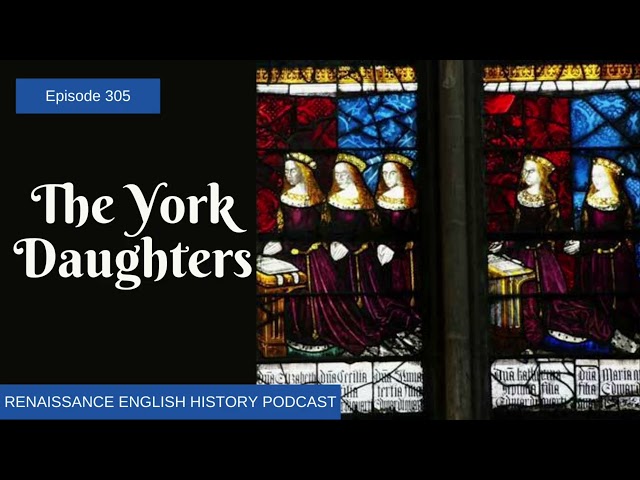

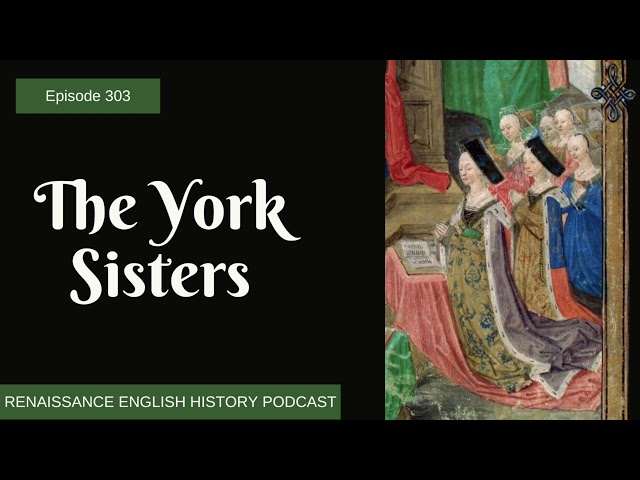
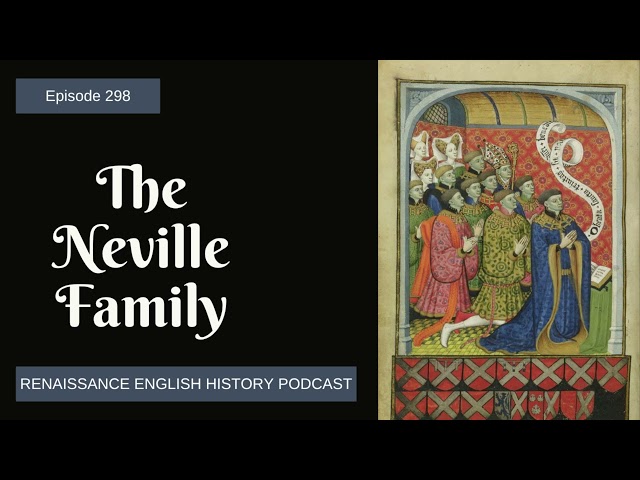


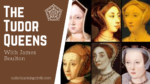
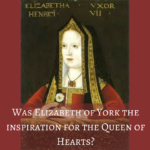


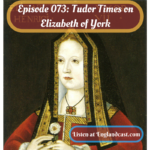
 from Alison Weir (Amazon affiliate link)
 from Amy Licence (Amazon affiliate link)


